Getting a good night’s sleep isn’t just about feeling alert in the morning. Quality sleep helps protect your heart, supports brain function, and boosts mood and energy. But for people living with sleep apnea, that kind of sleep may feel far away. Waking up tired, dealing with frequent headaches, and getting complaints about loud snoring might be signs of something more serious.
Sleep apnea interrupts your breathing while you sleep. These pauses can happen many times during the night and keep you from getting into deep, refreshing sleep. As a result, you may feel exhausted during the day without fully understanding why. The good news is that solutions exist, and they can dramatically improve your sleep and how you feel during the day.
Understanding Sleep Apnea
Sleep apnea goes beyond typical snoring or a rough night of sleep. It’s a real condition that affects the way you breathe at night. When your body doesn’t get the oxygen it needs during sleep, it can cause ongoing health problems and a daily sense of fatigue or frustration.
There are three main types of sleep apnea:
1. Obstructive sleep apnea: The most common type, it occurs when the muscles in the throat relax too much and block the airway.
2. Central sleep apnea: In this case, the brain doesn’t send the right signals to the muscles that control breathing. It’s not a blockage but rather a communication issue between your brain and body.
3. Complex or mixed sleep apnea: This involves symptoms of both obstructive and central types at once.
All three types have similar symptoms. These might include loud snoring, gasping for air during sleep, dry mouth in the morning, restless nights, or daytime sleepiness. Because sleep apnea often goes unnoticed until it seriously affects daytime energy, many people live with it without knowing.
Picture someone going to bed on time every night, getting eight hours of sleep, but still needing a nap by midafternoon or relying on caffeine to function. If that’s familiar, and they also snore or wake up gasping for air, sleep apnea could be the cause.
Recognizing the signs is an important first move. From there, getting the right diagnosis and treatment plan is the gateway to relief.
Common Treatment Options for Sleep Apnea
Managing sleep apnea doesn’t look the same for everyone. There are several options, and the right one depends on the type and severity of symptoms, daily habits, and comfort levels.
Here are the most common treatment paths:
1. Lifestyle Changes
While not a full solution for everyone, small changes can go a long way. These include:
– Losing weight if your doctor recommends it
– Reducing alcohol intake, especially in the evening
– Avoiding smoking, which can irritate the airway
– Sleeping on your side to reduce airway blockage
These shifts can help lessen the severity of sleep apnea but usually work best alongside a more targeted treatment.
2. CPAP (Continuous Positive Airway Pressure) Machines
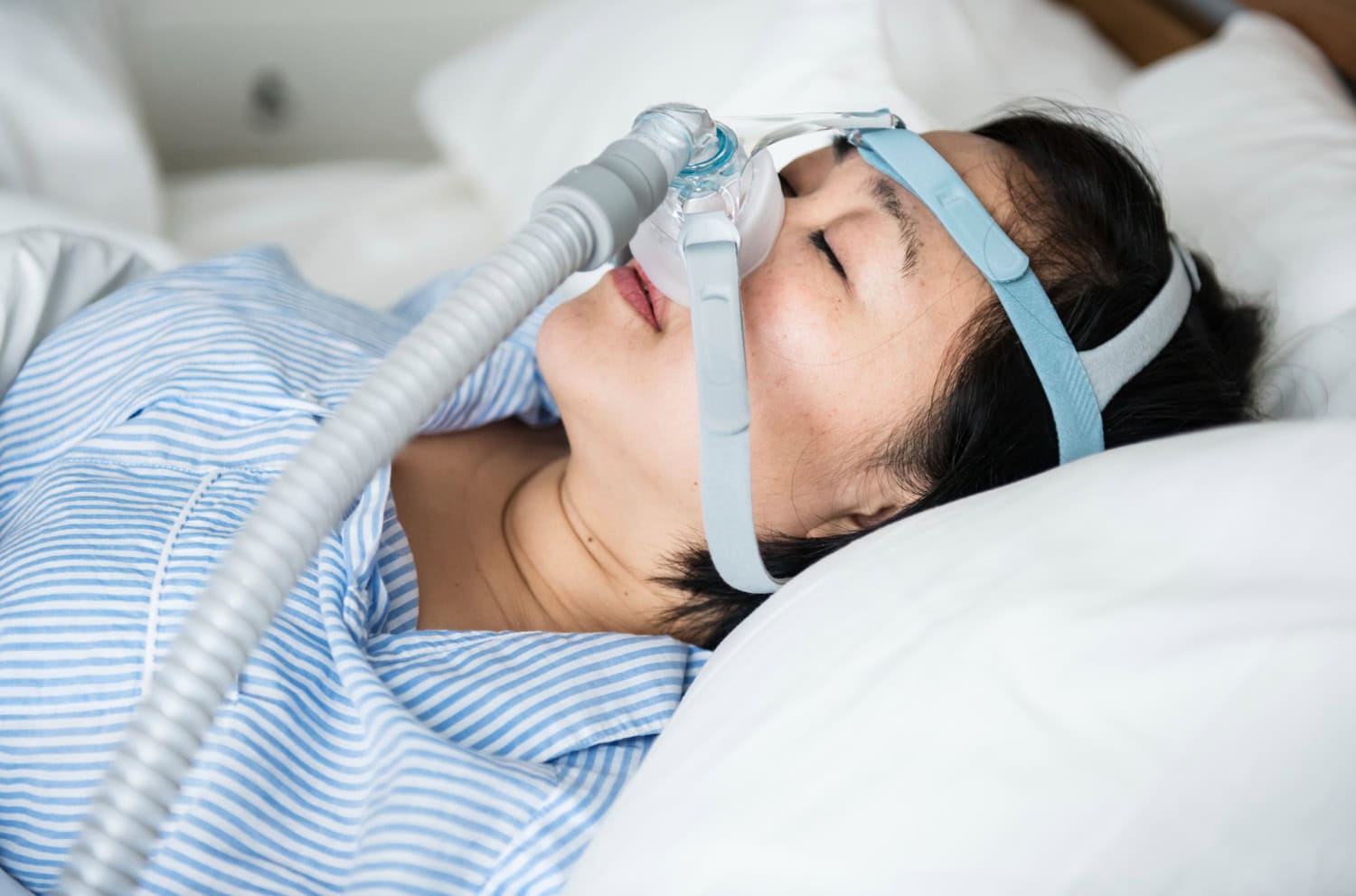
CPAP machines are a popular medical tool used during sleep. They help keep the airway open by delivering a steady stream of air through a face mask. For many, CPAP is an effective way to reduce breathing interruptions and increase sleep quality.
That said, some people struggle with CPAP machines. The mask can feel bulky, the noise may be a distraction, or the airflow may be uncomfortable. While it works well for many, others need alternatives that better suit their lifestyle.
3. Dental Appliances
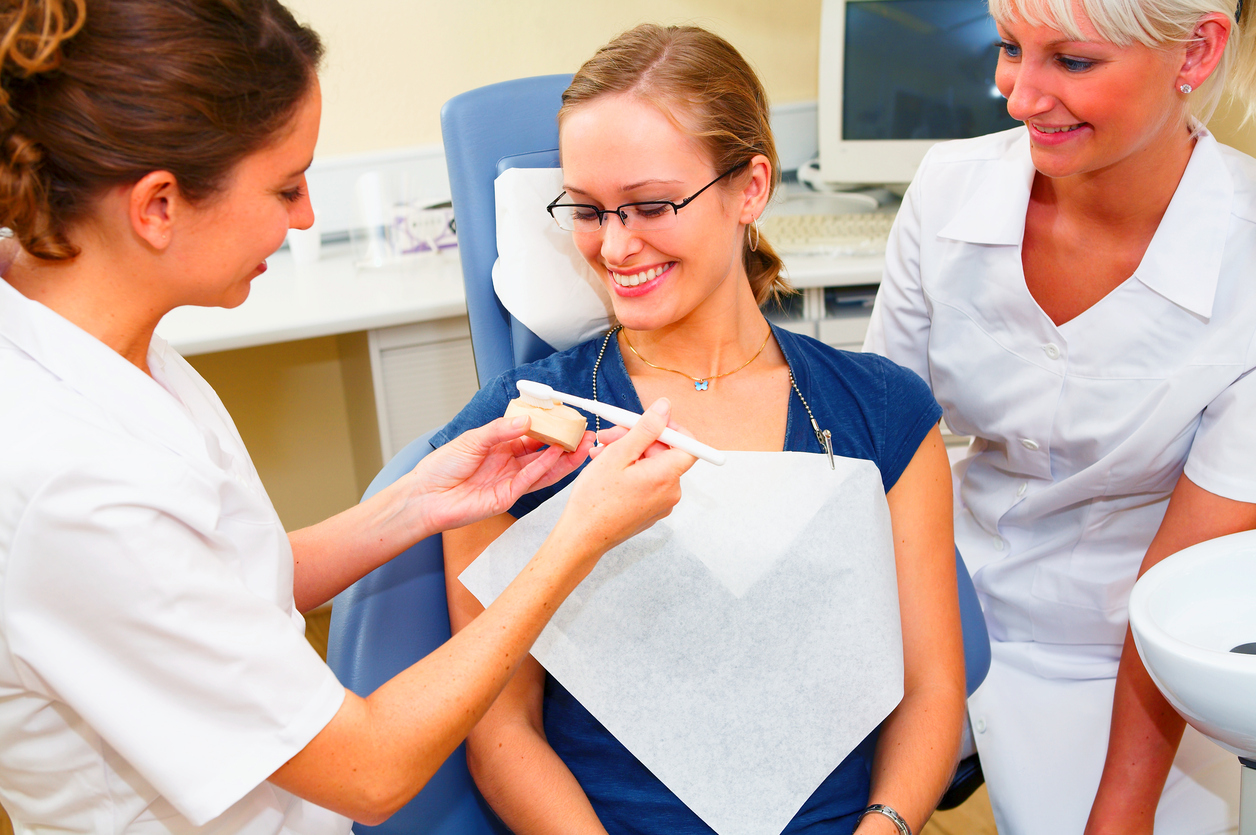
A growing number of patients prefer oral appliances. These custom-made devices help keep the airway open by slightly adjusting the jaw or tongue position. Fitted by a dentist, they offer a quieter and more compact solution than a CPAP machine.
Because they are easier to wear and carry while traveling, dental appliances are a popular choice, especially for those with mild to moderate sleep apnea.
4. Surgical Options
In cases where CPAP or dental appliances don’t help, surgical options may be discussed. Surgery might include removing tissue from the throat, repositioning the jaw, or other medical adjustments. This method is usually considered after other treatments haven’t worked.
Everyone’s sleep apnea story is different. Choosing a solution involves working with a professional who understands your condition and lifestyle, and who can offer a plan that fits you personally.
Benefits of Dental Sleep Apnea Treatments
For people in Phoenix struggling to commit to a CPAP machine night after night, dental sleep apnea treatments offer a simpler alternative. These small oral appliances can help create big results by making slight shifts in your jaw or tongue position to keep airflow steady throughout the night.
They are:
– Quiet, with no motor or airflow noise to disrupt you or anyone around you
– Compact and easy to bring along when traveling
– Custom-designed to fit your mouth comfortably
– Low-maintenance with fewer parts to clean or manage
What many people appreciate most is their ease of use. No power cords, no face straps, and no bulky machines. You just wear it and go to sleep. This simplicity makes it much easier for people to stick with treatment over time.
If you or someone close to you is a light sleeper, this can be a real bonus. Less disruption for you means fewer sleep issues for those around you too.
For many patients looking for comfort, portability, and quiet, dental appliances are a realistic treatment option that fits into everyday life.
Finding the Right Sleep Apnea Treatment in Phoenix
When you’re ready to treat sleep apnea, finding someone who specializes in the right solution makes a big difference. Not all dentists offer sleep apnea support, and not all oral devices are made the same. That’s why it’s worth taking the time to find a provider in Phoenix who understands both your needs and the dental side of sleep health.
Good questions to ask when choosing a provider include:
– Do they have experience in sleep-related dental care?
– Do they customize appliances for individual comfort?
– Will they explain your condition and walk you through the next steps?
– Do they offer long-term check-ins to make sure the device still works properly?
You also want your care to feel accessible. A nearby location, friendly staff, and a clear explanation of how everything works can go a long way in making sure you stay on track.
Make sure to ask how your progress will be measured. Will they check in after a few weeks or help coordinate with your doctor or a sleep study if needed? Effective care should feel like a partnership, not a handoff.
Rest Easy with Effective Sleep Apnea Solutions
Living with untreated sleep apnea can drain your energy, affect your focus, and leave you feeling off every day. But once you find a solution that works for you, all those tired mornings and foggy afternoons start to fade.
Dental sleep apnea treatments give people in Phoenix a comfortable, practical option that really fits into daily life. When a device is easier to use and more natural to wear, sticking to treatment becomes much more doable—and you’re more likely to get lasting benefits.
Better sleep means better days. Feeling alert, waking up refreshed, having the energy to enjoy your life: that’s what the right treatment can help make possible.
If you’re tired of being tired, it’s time to reconnect with restful nights and energized mornings. Sleep apnea doesn’t have to control your days or your future. A simple step forward can put you on the path to better sleep and better living.
Combating sleep apnea can improve not just your nights but your days too. For those searching for effective solutions, consider exploring sleep apnea treatment in Phoenix with Anderson Dental. Our team is ready to provide tailored approaches that could help transform your sleep quality. Don’t let another day go by feeling out of sync—reach out now to discover how professional guidance can lead to restful nights and refreshed mornings.