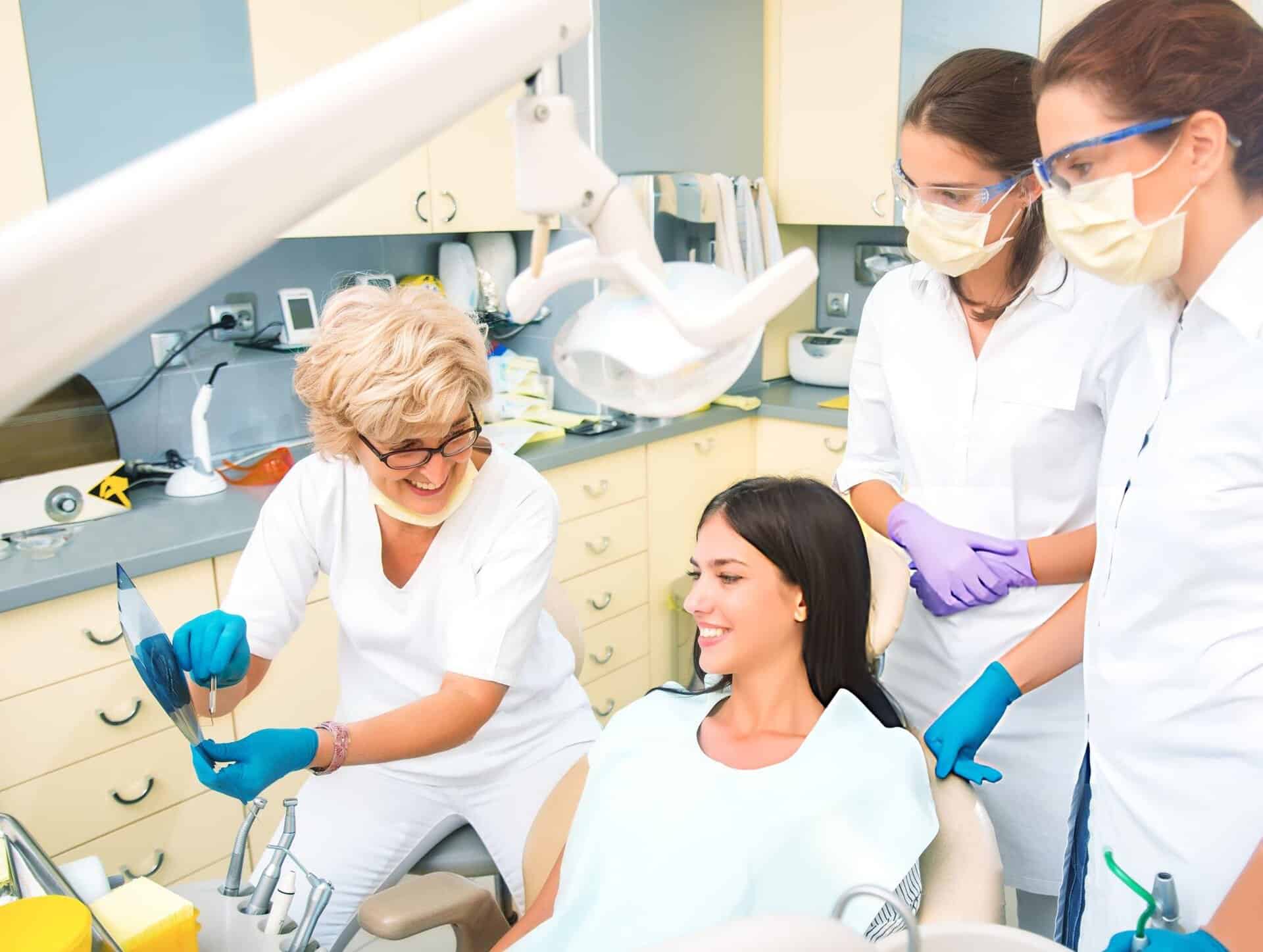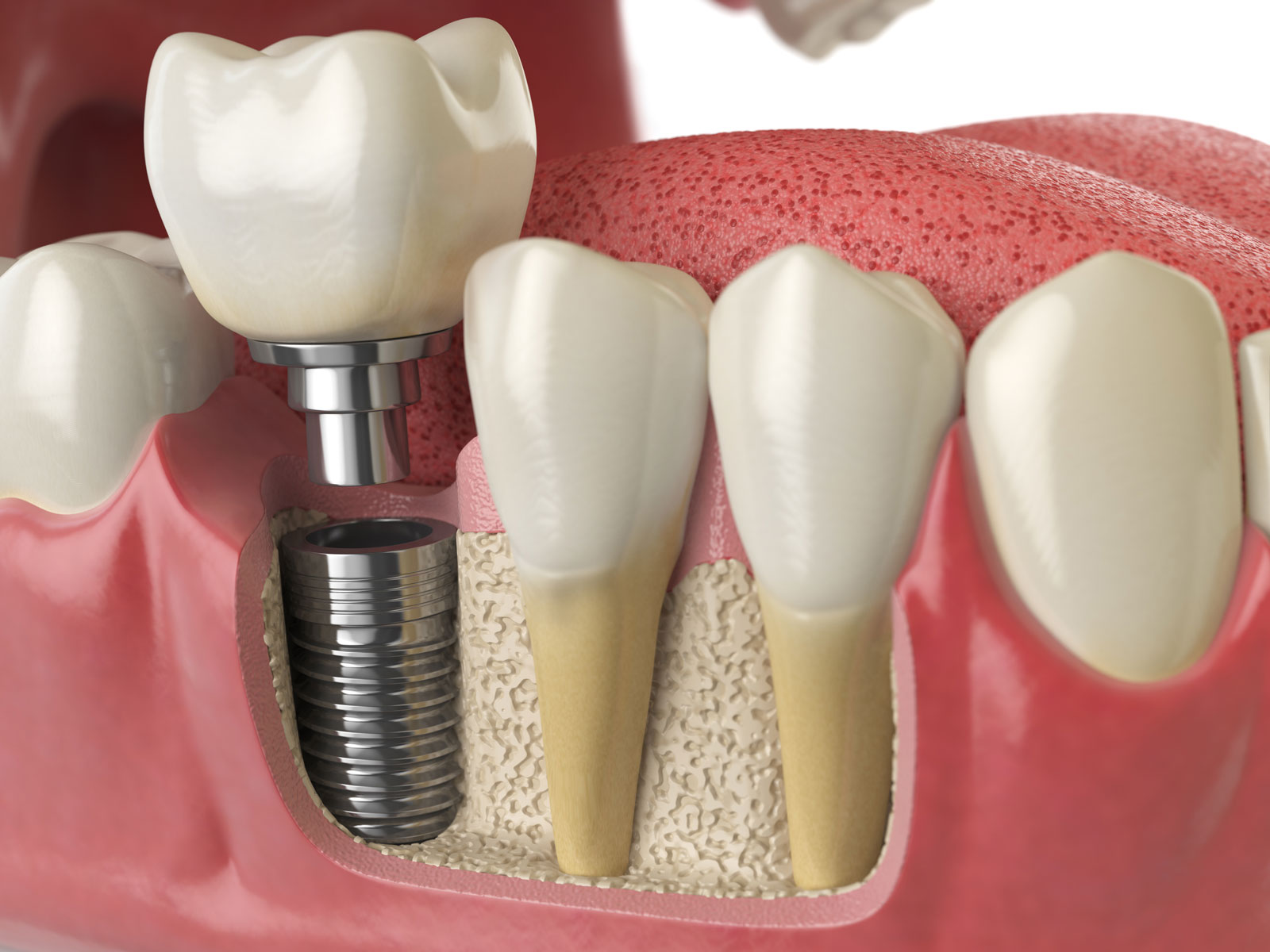
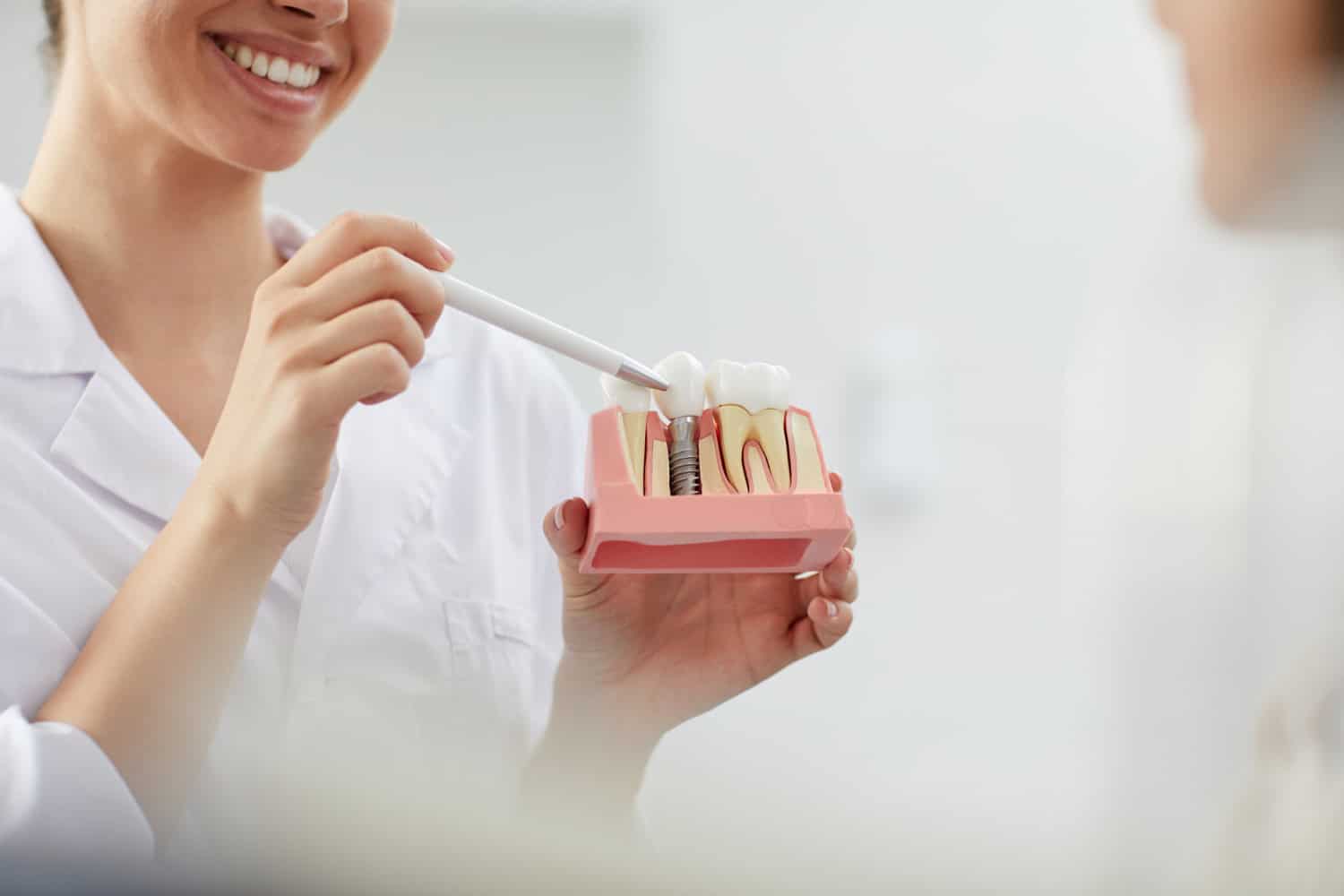
Getting dental implants is a big step toward restoring a strong, confident smile. But what happens after the surgery matters just as much as the procedure itself. The healing process lays the foundation for your implant to function properly for years to come, so giving your mouth the time and care it needs can make all the difference. That post-surgery window isn’t just about recovery. It’s about setting yourself up for long-term success.
In Phoenix, where people enjoy a busy lifestyle, it can be tempting to jump back into your normal routine right away. But slowing down and following your dental implant specialist’s instructions helps avoid setbacks. The good news is, most complications after surgery are preventable. Whether this is your first implant or you’ve had experience with oral procedures before, remembering a few key steps will help keep things on track as you heal.
Following Post-Surgery Instructions
Once the procedure is done and you’re back home, the first 48 hours are the most important for managing swelling and protecting the implant site. Your dental implant specialist in Phoenix will give you clear instructions. Don’t brush those off. They’re made to help everything heal properly and avoid problems that could interfere with the stability of your new tooth.
Here are a few things your dental implant specialist may ask you to do after the surgery:
– Stick to soft, cool foods like yogurt, applesauce, scrambled eggs, and smoothies. Avoid anything too hot or chewy at first.
– Take prescription medication or recommended over-the-counter pain relievers exactly as directed.
– Keep pressure off the surgical area. That means no poking, no touching, and definitely no chewing on that side for a bit.
– Use an ice pack on your cheek in 15-minute intervals during the first day to help reduce swelling.
– Don’t smoke or use drinking straws. Both can disrupt the blood clot and may cause issues with healing.
It’s also important not to skip your follow-up appointments. Even if you think everything looks and feels fine, your dentist needs to make sure the tissue is healing the way it should. Sometimes issues start small and aren’t easy to spot until it’s too late. Keeping your spot on the calendar helps your provider catch warning signs early and adjust your care if needed.
Think of recovery the same way you would think about patching a flat tire. You wouldn’t rush out on a long drive right after plugging it. You’d give it a chance to hold. The same goes for your mouth. Let the area settle before putting it through too much stress. By sticking to the post-surgery game plan, you give your implant the best chance at fusing properly with your jawbone and lasting a long time.
Oral Hygiene Best Practices
Once the initial recovery period winds down, the next step is building a hygiene routine that keeps your gums and implant site clean. Even though implants are made from materials that don’t decay like natural teeth, the surrounding tissue still needs regular care. Bacteria can gather around the base if left unchecked, which could cause inflammation or worse, lead to implant failure.
Here’s how to take care of your mouth after implant surgery:
– Brush gently around the implant site using a soft-bristled toothbrush. An angled or smaller brush may help reach tricky spots.
– Use non-abrasive toothpaste, since harsh formulas can irritate the gum tissue during healing.
– Make rinsing with warm salt water part of your morning and evening routine for the first week.
– Try implant-safe floss or a water flosser to clean between teeth without causing discomfort.
– Skip alcohol-based mouthwashes during the first few weeks. They can dry out the tissue and slow healing.
Food choices also play a role while you’re healing. It’s best to avoid crunchy snacks, sticky candies, or anything that puts strain on the new implant. Nuts, chips, and even crusty bread can irritate the area or, worse, dislodge the healing tissue. And take your time when eating. Slower chewing helps the jaw adjust and protects the site from unnecessary pressure.
By being consistent with your hygiene habits, you set your mouth up for a clean, healthy healing process. Spending those extra few minutes brushing a little more carefully or choosing better snacks may not seem like much, but it adds up. Each day without irritation or infection brings you one step closer to a fully healed implant that feels just like a natural part of your smile.
Recognizing And Addressing Common Complications
Even with the most careful recovery, things can sometimes go off track. That’s why it’s important to know the warning signs that mean your body might need a little help. It’s normal to feel some soreness and swelling in the first few days after surgery. But if that discomfort doesn’t fade or it gets worse instead of better, that could signal something more serious.
Here are some signs to watch for:
– Persistent or increasing pain after a few days
– Swelling that doesn’t go down or gets worse
– Bleeding that’s heavy or doesn’t slow down
– A bad taste in your mouth or discharge from the implant area
– Fever or chills
– The implant feeling loose or moving around
These issues don’t always mean the implant failed, but they do mean you should contact your dental implant specialist in Phoenix right away. The sooner you get it looked at, the better your chances of fixing things before they turn into a bigger problem.
A good example is catching an infection early. Some people mistake slight soreness or redness for healing. But if the area becomes hot to the touch or there’s a sharp ache that keeps coming back, that’s your body sending a red flag. Waiting too long could delay healing or even cause damage to the implant structure. Instead of trying to fix things on your own, let a professional step in. They can check what’s going on and suggest the right steps to get you back on the healing track.
Long-Term Maintenance Tips
Once you’re all healed up, it’s time to think ahead. Implants can last for many years, but they’ll stick around longer if you treat them right. Just like natural teeth, they need regular care and attention. That doesn’t mean doing anything complicated. It just means being consistent.
Here are a few ways to make sure your dental implant lasts:
– Visit your dentist in Phoenix every six months for cleanings and exams
– Brush twice a day with a soft toothbrush and non-abrasive toothpaste
– Use implant-safe floss or a water flosser to keep plaque away from the gumline
– Avoid using your teeth to open packages or chew on hard items like pens or ice
– Manage habits like teeth grinding with a night guard if your dentist recommends one
Your daily habits make a difference. Say you’re someone who snacks while watching TV. Reaching for chips or pretzels a couple of times a day could slowly wear down the area around your implant. Switching to softer snacks, choosing water over sugary drinks, or using your back teeth more can help extend the life of the implant.
Regular visits to your dental implant specialist in Phoenix give them the chance to check on your bite, gum health, and how your implant is sitting. These checkups aren’t just for problems. They’re part of keeping your smile strong and comfortable for the long run.
Keep Your Smile Healthy and Strong
Healing doesn’t stop after a few weeks. It continues through the choices you make every single day. By following good oral habits, eating carefully, and knowing when something feels off, you’ll protect your implant for years. A little effort in your daily routine can save you time, pain, and money later.
Remember that implants work best when you team up with a professional who understands your mouth and your goals. Whether it’s your first month post-op or years down the road, staying connected to the right care in Phoenix gives your dental implant every reason to last.
If you’re looking to maintain the health of your dental implants and need expert advice, talking with a dental implant specialist in Phoenix can make your recovery smoother and your results last longer. Anderson Dental is here to support your post-surgery care and help you keep your smile strong for years to come. Reach out to us for a personalized approach to your dental needs.