
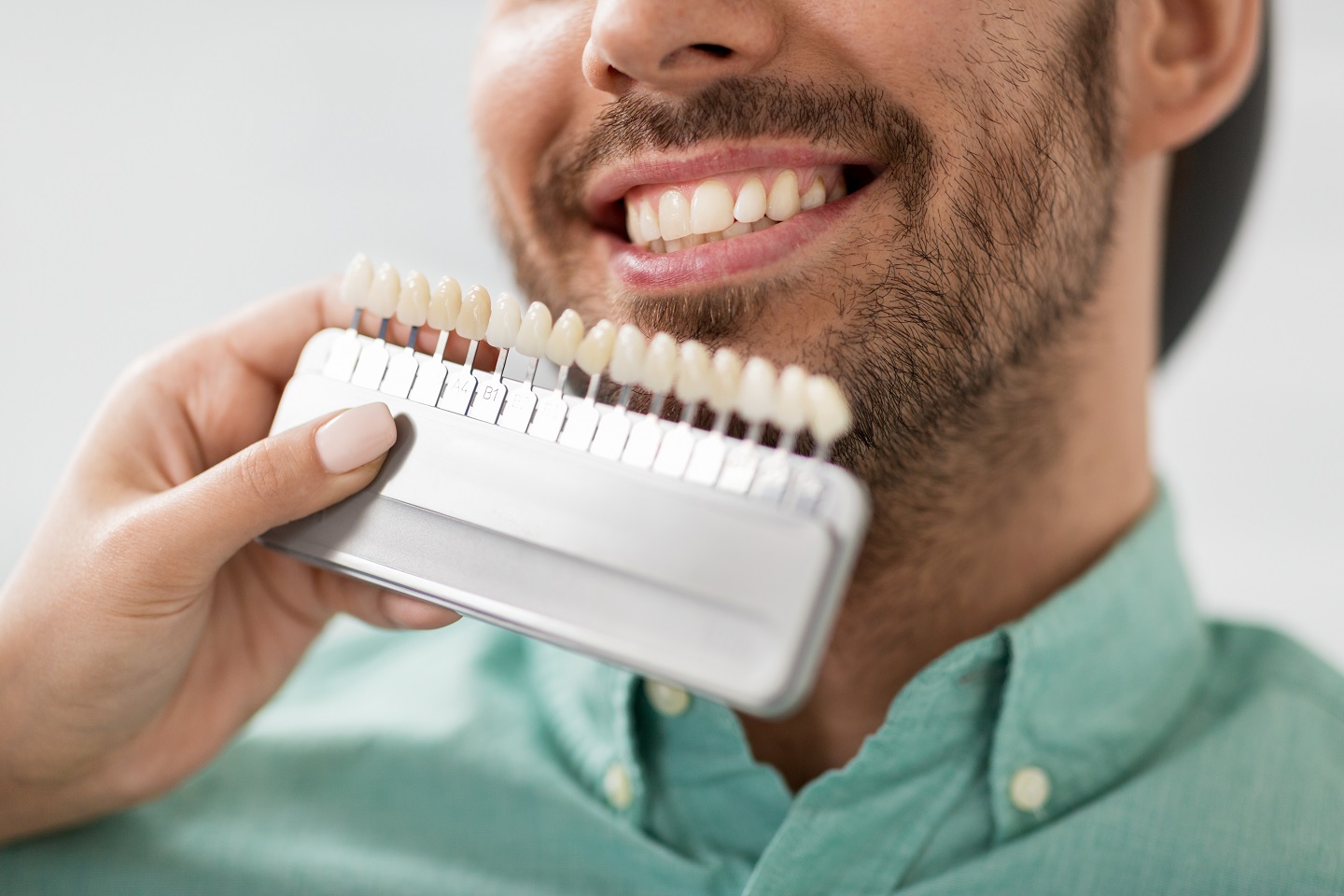
Thinking about transforming your smile with veneers but unsure which type is right for you? You’re not alone! Many patients who visit Anderson Dental in Scottsdale ask about the differences between porcelain and composite veneers. Understanding the unique benefits of each option will help you make an informed decision that aligns with your smile goals and budget.
What Are Dental Veneers?
Before diving into the porcelain vs composite veneers debate, let’s cover the basics. Veneers are thin shells that are bonded to the front surface of your teeth to improve their appearance. They can address a variety of cosmetic concerns, including discoloration, chips, gaps, misalignment, and worn enamel. The two primary types of veneers available are porcelain and composite resin, each with distinct characteristics.
Porcelain Veneers: The Premium Choice
Porcelain veneers are custom-crafted shells made from high-quality dental ceramic. Here’s what makes them stand out:
Advantages of Porcelain Veneers
- Natural appearance: Porcelain mimics the light-reflecting properties of natural tooth enamel better than any other material, providing an incredibly lifelike result
- Stain resistance: The non-porous surface resists staining from coffee, wine, and other foods much better than composite materials
- Durability: With proper care, porcelain veneers typically last 10–15 years or even longer
- Color stability: Unlike composite veneers, porcelain maintains its original shade indefinitely
Considerations
Porcelain veneers generally require two appointments, as they’re fabricated in a dental laboratory. They also represent a higher initial investment compared to composite options. However, many patients find the superior aesthetics and longevity worth the additional cost.
Composite Veneers: The Efficient Alternative
Composite veneers are created using tooth-colored resin material applied directly to your teeth. Dr. Lori Anderson sculpts the composite material chairside to achieve your desired look.
Advantages of Composite Veneers
- Same-day results: Often completed in just one visit, making them perfect for patients wanting immediate transformation
- More affordable: The lower cost makes composite veneers accessible to more patients
- Less tooth preparation: Typically require minimal removal of natural tooth structure
- Easily repairable: If damaged, composite veneers can often be fixed quickly in the office
Considerations
Composite veneers may require more maintenance over time. They’re more susceptible to staining and typically last 5–7 years before needing replacement or refinishing. The material also doesn’t quite match the translucency of natural teeth as well as porcelain does.
Which Is the Best Type of Veneer for You?
When determining the best type of veneer for your situation, consider these factors:
- Budget: Composite veneers offer a more budget-friendly entry point
- Timeline: Need results fast? Composite can be completed in one appointment
- Longevity goals: If you want a long-term solution with minimal maintenance, porcelain is superior
- Aesthetic priorities: For the most natural-looking result, porcelain is generally the gold standard
Schedule Your Consultation Today
The truth is, there’s no one-size-fits-all answer to the porcelain vs composite veneers question. The best choice depends on your unique circumstances, goals, and preferences. During a consultation at Anderson Dental, Dr. Lori Anderson will evaluate your teeth, discuss your smile objectives, and help you select the option that’s perfect for you.
Ready to explore your veneer options? Contact our Scottsdale office at 623-455-9179 to schedule your personalized consultation and take the first step toward your dream smile!