
Red Flags That Your Dental Implant Needs Attention
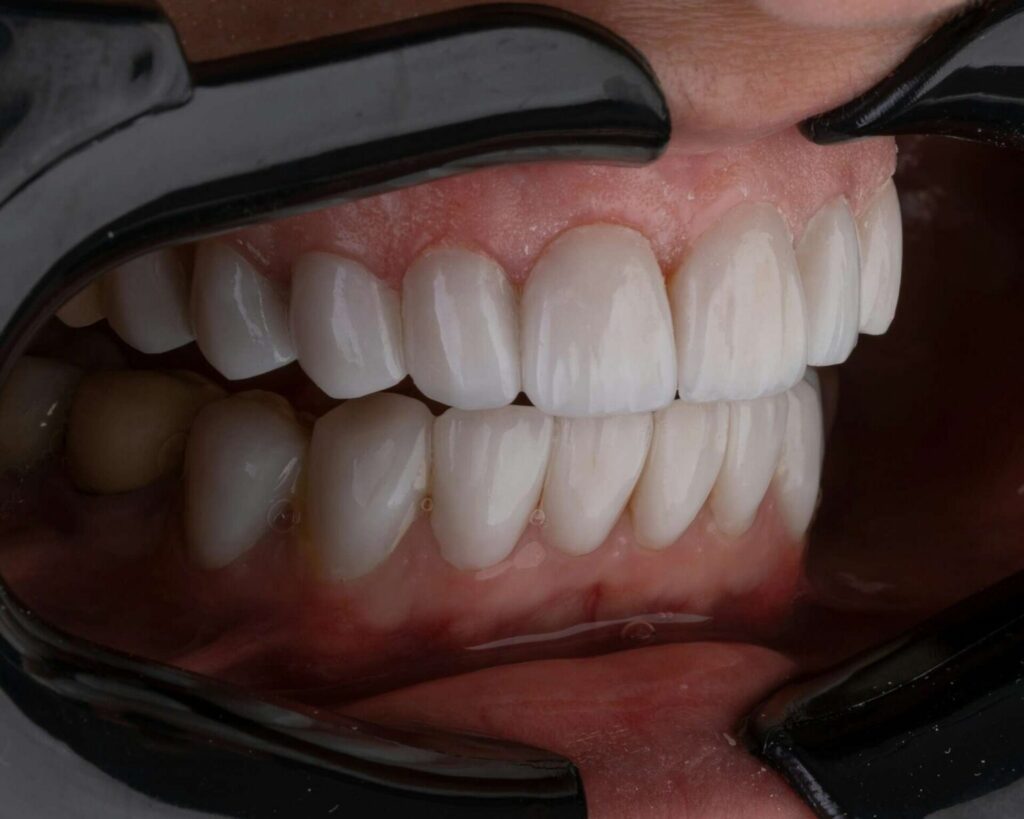
Dental implants are a great way to restore missing teeth. They look natural, feel stable, and help keep your bite even and your smile strong. But just like natural teeth, they need regular care and attention to stay in good shape. Ignoring changes in the way your implant feels or brushing off early signs of irritation can lead to bigger problems down the line. That’s why it’s important to pay attention to warning signs that something may be off. When a dental implant starts to feel different or causes discomfort, it’s usually your body’s way of letting you know something’s wrong. Knowing what to watch for can help you get ahead of those issues before they turn into something more noticeable or painful. Persistent Pain or Discomfort Dental implants might feel unfamiliar at first, especially right after surgery. Mild soreness is normal during the healing phase, and it should gradually improve. But if pain sticks around longer than expected, or suddenly shows up months or even years later, that’s a reason to pause and check in with a dentist. Long-term discomfort isn’t part of the process. Here are a few common causes of ongoing pain related to implants: 1. Infection at the implant site, which can irritate the gums and cause swelling 2. Implant rejection, when the body doesn’t accept the artificial root 3. Issues with surrounding bone not properly supporting the implant 4. Too much pressure from grinding teeth or misaligned bite forces The pain might show up as a steady ache, sharp twinges, or a dull throbbing feeling in or around the area. It could also feel worse when chewing or touching the implant. Some people describe it as feeling like their implant is bruised or just not settled right. If that sort of discomfort doesn’t ease up after a short time, it means something beneath the surface isn’t right. Pain is usually the body’s way of waving a red flag. Gum Inflammation or Recession Healthy gums are essential for holding your implant securely in place. If the tissue around an implant becomes red, swollen, or bleeds when brushing, those are signs of inflammation. Swelling or sensitivity in the gums might be linked to poor cleaning, trapped food, or early infection. In other cases, you may start to notice that your gums are slowly pulling away from your implant. This is called gum recession, and it can expose the metal post underneath. That exposure can look and feel unpleasant and may even lead to the implant becoming loose. Some things to watch for with your gums include: 1. Redness or puffiness that doesn’t go away 2. Gumline pulling back near the implant 3. Weird taste from the implant area 4. Bleeding when brushing Sometimes the inflammation is caused by everyday plaque buildup, which is why daily cleaning and regular dental visits matter so much. Other times it’s a sign of something deeper, like peri-implantitis, an infection that can lead to implant failure if not treated. It helps to keep an eye on any changes you see or feel around your implant. Healthy gums should feel smooth and snug. If you notice any shift from that, it’s a clue that something might need attention sooner rather than later. Loose Implant or Movement An implant should feel just like a natural tooth once it heals. If it feels like it wiggles or shifts around when you bite or press on it, that isn’t normal. A secure dental implant is anchored in the jawbone, so any movement could point to a bigger problem below the surface. Movement might be caused by: 1. Bone loss around the implant, reducing stability 2. A failed connection between the implant and the bone 3. Poor placement or heavy pressure from adjacent teeth 4. Gum disease that impacts surrounding tissues It’s easy to ignore slight wobbling, especially if there’s no pain, but waiting will only let the issue grow worse. The implant might become fully loose over time, and the fix could become more complex. Some people notice movement when biting into harder foods, while others feel it when cleaning with dental floss or a water flosser. If something doesn’t feel solid, it’s worth getting checked quickly. That small shift can be the first and only sign that there’s a breakdown happening around the implant. Difficulty in Chewing or Biting Dental implants are designed so that you can enjoy your favorite foods without worry. When chewing or biting becomes uncomfortable or awkward, it means something’s out of line. Whether it’s a weird pressure on one side or pain every time you bite into something firm, don’t ignore the change. This type of discomfort can be caused by: 1. A shift in how the implant lines up with your other teeth 2. Bite imbalances that create uneven stress 3. Loosening of the crown or abutment over time 4. Jawbone changes that affect the implant’s position For example, if you use your back teeth more but the implant is placed closer to the front, it may start to feel off-center or unstable. You might start avoiding that side when chewing, stretching other parts of your jaw and creating more bite issues. It’s easy to assume the problem will sort itself out, but a misaligned bite or irritated implant area won’t just resolve without help. A quick check from a dental professional can make a huge difference in how comfortable and functional your implant feels long-term. Visible Implant Post or Structural Changes Your implant post should stay hidden under healthy gum tissue. If you can see a sliver of metal or the outline of the post through the gums, something has shifted. That could mean gum recession or even bone loss around the implant. Some other changes to watch out for include: 1. Gaps between the crown and gumline 2. Soreness near the exposed part of the implant 3. Unnatural-looking shape or tilt in the crown 4. Odd spacing between teeth around the implant These types of changes
Sleep Apnea and Its Effects on Your Daily Life

A good night’s sleep does more than just leave you feeling rested. It helps your brain stay sharp, keeps your mood stable, and gives your body time to heal. But for some people, mornings start with fatigue, not energy, no matter how early they went to bed. This isn’t always about poor sleep habits. It often points to something deeper like sleep apnea. Sleep apnea goes beyond loud snoring or tossing and turning. It causes pauses in breathing while you sleep, sometimes many times in a single night. These constant disruptions can make you feel drained the next day, even if you thought you got decent rest. Most people don’t notice it until it affects their concentration, mood, or energy. Knowing the signs and what happens if it’s left untreated can make a big impact. Understanding Sleep Apnea: Symptoms and Diagnosis Sleep apnea happens when the upper airway becomes blocked or narrows while you sleep. When this occurs, breathing stops temporarily, often waking your brain up just enough to get air moving again. You usually won’t remember waking up, but your body feels it over time. The most common form is obstructive sleep apnea. This type is usually tied to how the muscles in your throat relax. Factors like age, excess weight, or the shape of your jaw and throat can increase your risk. But anyone can experience it. You may have sleep apnea if these signs sound familiar: – Loud, persistent snoring that others notice – Waking up gasping or choking – Dry mouth or headaches in the morning – Feeling tired even after what should be a full night’s sleep – Difficulty staying focused or remembering things – Moodiness or irritability during the day Because these issues happen while you’re asleep, they often go undetected. Many people find out after a partner mentions their snoring or pauses in breathing. Others only realize something’s wrong when they doze off during routine activities or struggle through simple tasks. Getting a diagnosis involves a sleep study, which might take place at a sleep clinic or in your own home. These studies monitor your breathing, oxygen levels, and how your brain cycles through different sleep stages. The results show how often your breathing stops and help determine the right treatment. The Daily Impact of Sleep Apnea Once you’re diagnosed, the next step is choosing a treatment plan. The goal is simple: make sure your airway stays open while you sleep. But how you get there can depend on what fits your needs and lifestyle. A good starting point for many people is a CPAP machine. This device sends a steady stream of air through a mask to keep airways from collapsing. The machine can feel a bit awkward at first, but over time, many patients find it helpful and feel the benefits almost immediately. Some people prefer oral appliances. These are custom-made devices worn in your mouth while you sleep. They gently move your jaw forward, creating space and helping air pass through more easily. They’re smaller and easier to travel with, which suits some people’s routines better. Lifestyle factors can also influence results. Changes such as sleeping on your side, adding more movement to your day, or working toward weight goals often help support other treatments. Newer sleep apnea treatments are also becoming available in Phoenix, including in-office solutions for those who can’t tolerate machines or devices at night. These options are worth exploring if traditional methods don’t work, and they often come with the added benefit of being low maintenance. Having the right guidance is key. If you’re looking for sleep apnea treatment in Phoenix, finding a provider experienced with a range of options can help you make the best call based on how severe the issue is and what your lifestyle looks like. Treatment Options for Sleep Apnea Once you’re diagnosed, the next step is choosing a treatment plan. The goal is simple: make sure your airway stays open while you sleep. But how you get there can depend on what fits your needs and lifestyle. A good starting point for many people is a CPAP machine. This device sends a steady stream of air through a mask to keep airways from collapsing. The machine can feel a bit awkward at first, but over time, many patients find it helpful and feel the benefits almost immediately. Some people prefer oral appliances. These are custom-made devices worn in your mouth while you sleep. They gently move your jaw forward, creating space and helping air pass through more easily. They’re smaller and easier to travel with, which suits some people’s routines better. Lifestyle factors can also influence results. Changes such as sleeping on your side, adding more movement to your day, or working toward weight goals often help support other treatments. Newer sleep apnea treatments are also becoming available in Phoenix, including in-office solutions for those who can’t tolerate machines or devices at night. These options are worth exploring if traditional methods don’t work, and they often come with the added benefit of being low maintenance. Having the right guidance is key. If you’re looking for sleep apnea treatment in Phoenix, finding a provider experienced with a range of options can help you make the best call based on how severe the issue is and what your lifestyle looks like. Choosing the Right Treatment: Factors to Consider Every case of sleep apnea is different, so the right solution varies from person to person. Work routines, sleep environments, travel habits, and other health conditions all play a role in what works best long-term. Things to keep in mind when evaluating options include: – Whether your sleep apnea is mild, moderate, or severe – Comfort with wearing a device or machine every night – How easy it is to keep up with the treatment – Any other health concerns that may impact results – What fits best into your daily schedule and preferences Consider someone who travels for work and often sleeps
Breaking the Cycle of Sleep Apnea and Fatigue

Waking up after a full night’s sleep but still feeling drained isn’t just frustrating—it can affect how you function day to day. If you’ve been dealing with ongoing fatigue that doesn’t improve with rest, sleep apnea might be the reason. This condition messes with how your body gets the rest it needs, which can lead to exhaustion that builds over time. And when your energy is always running low, everything from work to relationships starts feeling harder. Sleep apnea often goes undiagnosed, especially when the symptoms appear gradually. People may shrug off loud snoring or occasional headaches as normal, when they’re actually early warning signs. Left untreated, sleep apnea can set off a chain of health problems, one of the most common being constant fatigue. For those living in Phoenix, prioritizing proper care and pursuing sleep apnea treatment can truly help break this exhausting cycle. Understanding Sleep Apnea Sleep apnea is a condition where breathing repeatedly stops and starts during sleep. This isn’t just a light snore or shallow breathing—it’s a true pause in airflow that can last for several seconds at a time. These disruptions keep your brain and body from getting the oxygen and rest they need. There are three main types of sleep apnea: 1. Obstructive sleep apnea (OSA), the most common type, happens when throat muscles relax and block your airway 2. Central sleep apnea is less common and occurs when the brain doesn’t send the right signals to control breathing 3. Mixed or complex sleep apnea is a blend of both obstructive and central types So how do you know if you have it? It’s not always obvious. Common signs include: Loud snoring followed by moments of silence – Gasping or choking during sleep – Waking up with a dry mouth or sore throat – Morning headaches – Feeling tired during the day no matter how long you slept – Mood changes like irritability or trouble focusing When the body is constantly struggling for air through the night, it’s no wonder you wake up wiped out. The longer sleep apnea goes undiagnosed, the more likely it is to impact overall well-being—from blood pressure changes to weight fluctuations. Recognizing these signs is a key step in taking your health seriously, especially during the hot summer months in Phoenix when poor sleep can make the heat feel even more draining. How Sleep Apnea Affects Your Body Sleep apnea does more than interrupt your dreams—it stresses your entire system. Every time breathing stops, your oxygen levels dip. That alerts the brain, which briefly wakes your body up to fix the problem. These patterns repeat all night long, robbing you of the deep stages of sleep your body relies on to recover. Physically, this ongoing cycle can take a big toll: – Your heart works harder due to low oxygen, making conditions like high blood pressure or heart disease more likely to develop – The disrupted sleep cycle confuses the body’s rhythm, leading to hormone imbalances and weight gain – Poor sleep affects mental focus, mood, and even your ability to cope with stress During Phoenix summers, when daytime temps are already draining, the additional fatigue from untreated sleep apnea makes things tougher. You may find it harder to stay alert at work, feel more irritable than usual, or rely on caffeine and naps just to keep going. One patient once told us they thought getting sleepy during meetings was just part of aging—turns out, it was their body throwing red flags left and right because of undiagnosed OSA. Recognizing how much sleep apnea affects your overall health could be the push you need to stop guessing and start looking into solutions. Whether the signs are subtle or obvious, getting informed is a powerful first step. Effective Treatment Options for Sleep Apnea Once sleep apnea is identified, the focus shifts to managing it in a way that restores restful nights and better days. Thankfully, advances in treatment mean there are more tools than ever to help improve sleep quality and reduce daytime fatigue. The right option often depends on the severity of the condition and your personal comfort. Here are a few treatment paths people in Phoenix often explore: – CPAP (Continuous Positive Airway Pressure): This machine delivers steady air through a mask while you sleep, keeping your airway from collapsing – Oral appliances: These are custom-fitted devices that reposition your jaw or tongue to help maintain airflow. A lot of folks find them easier to use than CPAP machines, especially for mild to moderate cases – Surgery: Sometimes, if other options don’t work or the structure of your airway needs correction, surgery may be considered – Lifestyle changes: While not a fix by themselves, changes like reducing alcohol before bed or sleeping on your side can make other treatments more effective What matters most is using a plan that fits your situation. People often see the most lasting results from treatment plans made by professionals who fully assess their airway and sleep history. Over-the-counter options or guesswork rarely bring the kind of relief that unlocks deep, healthy sleep. In a city like Phoenix, where long days and high temperatures are already a drain on energy, treating sleep apnea becomes even more important for keeping you steady and alert. Embracing Better Sleep and Improved Energy Once you start treating sleep apnea, your body gets the chance to recover. But you can also make small daily changes to support your sleep even further. Simple habits can help improve your sleep routines and reinforce the benefits of medical care. Try incorporating some of the following tips into your evening routine: – Stick to a sleep schedule, even on weekends – Avoid large meals, caffeine, or alcohol close to bedtime – Keep your bedroom cool and quiet – Limit screen time an hour before sleep – Sleep on your side if that’s more comfortable for breathing Some people also add short wind-down rituals like reading a book, taking a shower, or listening to calming music
Expert Solutions for Failed Dental Implant Recovery
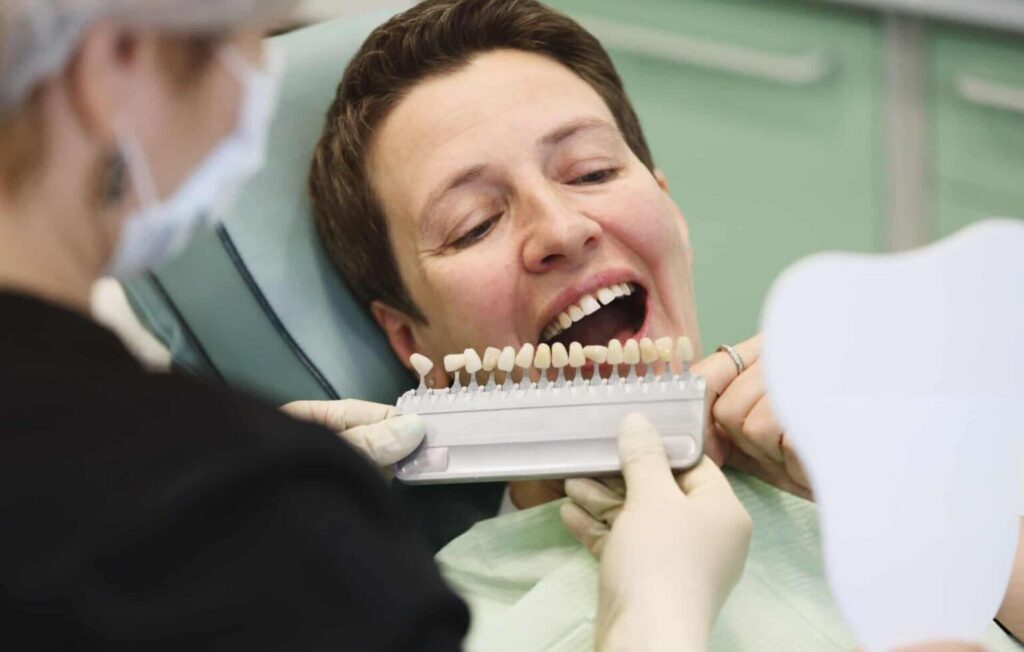
When a dental implant doesn’t heal like it should or starts to feel uncomfortable, it can catch you off guard. Most people get implants expecting them to last for years, so when one starts acting up, it leads to questions and worry. A failed implant doesn’t always mean something drastic has to happen, but it does call for attention from someone who knows what they’re doing. Problems with implants don’t just fix themselves. Whether it’s due to pressure from chewing, infection, or not enough bone to hold it securely, the earlier it’s looked into, the better the outcome. Getting timely help from a dental implant specialist in Phoenix gives you the best shot at restoring both comfort and confidence in your smile. Identifying The Signs Of A Failed Dental Implant Spotting signs of implant trouble early can help prevent bigger issues down the road. Some symptoms might show up within the first few weeks after treatment, but others can happen months or even years later. Here are some common signs that may point to a failed implant: – Persistent pain after the initial healing period – Swelling or redness that doesn’t go away – Loose feeling around the implant when chewing or talking – Trouble biting down like you used to – A strange taste or smell in the area if infection is present Pain and discomfort that go beyond the normal healing timeframe can mean the tissues aren’t adjusting well. Swelling that lingers or gets worse might be a sign your body is reacting to bacteria around the implant site. If the implant feels wobbly or like it’s moving, that’s a red flag. Tightness and stability are what keep implants working like natural teeth. One example is someone who noticed their dental implant felt squishy when brushing. At first, they thought it was just gum sensitivity, but after a few more weeks, they couldn’t bite into a sandwich without pressure. It turned out the bone surrounding the implant hadn’t healed properly, and early treatment could’ve saved them a lot of frustration. Pay attention to anything that feels off. A working implant should feel solid and pain-free once healed. If you feel like something’s changing, it’s likely time to get it checked out. Common Causes Of Dental Implant Failure Dental implants can fail for multiple reasons, even when patients think they’ve done everything right. Some causes are linked to the healing process right after surgery, while others build up over time. Here are some of the more common culprits: 1. Poor Oral Hygiene Neglecting regular brushing and flossing allows bacteria to build up around the implant. This can lead to inflammation and, if untreated, bone loss around the base. 2. Insufficient Bone Support Sometimes the existing bone just isn’t dense or strong enough to hold the implant long-term. This may not be obvious right away, but over time, a weak bone foundation leads to instability. 3. Peri-Implantitis This condition is similar to gum disease but affects the tissues around an implant. It’s usually caused by plaque buildup and poor healing and can lead to infection and bone loss. 4. Overloading the Implant This happens when too much pressure is placed on the implant before it’s fully healed. This extra stress makes it harder for the implant to bond securely with the bone. Every patient is different, so causes can vary depending on health history, habits, and even bite alignment. Getting to the root of what’s gone wrong helps guide what treatment comes next. The sooner that’s sorted out, the easier the solution will be. Expert Solutions For Failed Dental Implants When an implant doesn’t heal the way it should, the fix depends on what exactly went wrong. There isn’t one single solution that fits everyone, and that’s why it’s important to work closely with a dental implant specialist in Phoenix. They’ll look at the bigger picture, including your oral health, implant history, surrounding bone, and how you bite down, to come up with the right approach. Some of the treatment options that may be recommended include: – Surgical repair: If there’s infection or damage to the surrounding gum and bone, minor surgery can help clean the area and make room for a new implant or corrective treatment. – Bone grafting: If the bone has thinned out or wasn’t strong enough to hold the implant in place, bone graft material can be added to rebuild the area before trying another implant. – Improved hygiene routines: Something as basic as rinsing better or cleaning between the teeth more thoroughly can go a long way in keeping new and existing implants healthy. – Maintenance appointments: Set checkups help spot any signs of trouble early. These visits can include deep cleanings or adjustments when needed. Let’s say someone had an implant placed but didn’t come back for regular checkups. They brushed, but skipped flossing because they found it tricky around the implant. Over time, bacteria started to build up around the gumline, leading to infection. A follow-up showed they needed treatment for early bone loss and some extra deep cleaning. Without that appointment, they could’ve lost the implant entirely. Fixing implant failure doesn’t always mean starting over. Sometimes it just means changing course and focusing on targeted support. Preventive Measures For A Successful Implant Once you’ve gone through the work of restoring or replacing a dental implant, keeping it strong for the long haul is what matters next. That’s where prevention comes into play. Good habits and regular dental visits help stop issues before they have a chance to grow. Here are a few ways to support your dental implant’s health: 1. Stick to a consistent oral care routine Brush in the morning and at night using a soft-bristled toothbrush. Use low-abrasive toothpaste and don’t forget to clean around the implant with floss or special brushes meant for that purpose. 2. Pay attention to diet and habits Chewing hard candy, ice, or non-food items like pen caps can stress the implant. Having a balanced diet helps your
Understanding the Recovery Process After Bone Graft Surgery
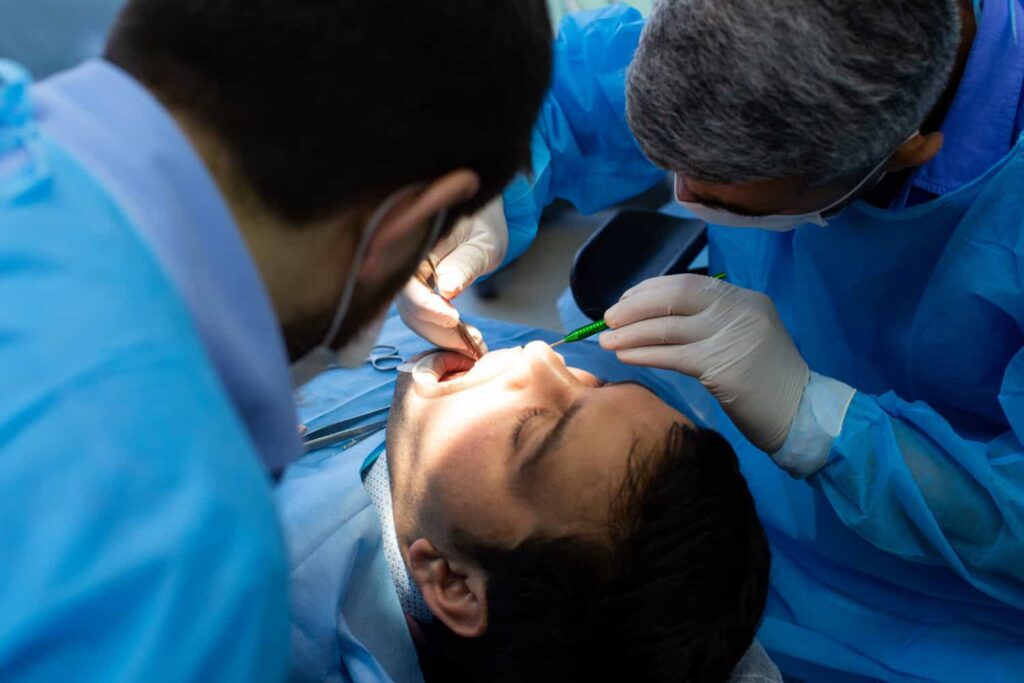
Bone graft surgery may sound intimidating at first, but it’s a common step for anyone preparing for future dental implants or needing to rebuild bone that has weakened or worn down. During the procedure, small amounts of bone or bone-like material are added to your jaw to create a strong, stable foundation. It plays a big role in long-term oral health, especially if tooth loss or gum issues have caused bone shrinkage in certain areas.Knowing what comes after the surgery is just as important as the procedure itself. Recovery times can vary, and how well you care for your mouth during the early stages can affect the success of the graft. If you’re preparing for dental bone graft surgery in Phoenix, having a clear idea of what to expect can help you feel more comfortable and know how to take care of yourself through each phase of healing. What To Expect Right After Surgery Once the bone graft procedure is done, you’ll likely head home with gauze pressed gently to protect the surgical site. The effects of local anesthesia or sedation may take a few hours to wear off, and you might feel groggy or slightly out of it for the rest of the day. It’s best to rest and take it easy. Some common symptoms after surgery include: – Minor swelling around your jaw or cheeks – Small amounts of bleeding around the graft area – Discomfort or pressure near the surgical site – A feeling of tightness or stiffness when opening your mouth These effects are temporary and usually improve within a few days. To help the healing along, your dentist will probably give you some basic instructions to follow: – Rest with your head elevated for the first 24 to 48 hours – Use ice packs on the outside of your face to reduce swelling – Change gauze as directed to control bleeding – Avoid physical activity for at least a few days – Do not disturb the surgical site when brushing your teeth It’s important to follow your post-op instructions carefully. These instructions are tailored to your procedure and help reduce the chance of swelling, bleeding, or infection. For example, a patient who skipped the ice and went straight back to yard work experienced more swelling and soreness than expected. That kind of setback can delay healing. Let your body do what it needs to do: rest, recover, and adjust. If something doesn’t seem right, it’s better to reach out for guidance rather than pushing through and risking a complication. Most healing after a bone graft starts smoothly when you pay attention and stick with the recovery plan from the very beginning. Managing Pain And Discomfort Discomfort is common during bone graft recovery, but it shouldn’t be overwhelming. Most of the time, it feels more like soreness or pressure instead of sharp pain. Your dentist may prescribe medication to keep you comfortable, or you may just need over-the-counter meds. Either way, it’s smart to stay ahead of the pain. Don’t wait until it really kicks in before taking something. Treat it early to stay as relaxed as possible. What you eat in the first several days also matters. You’ll want to stick to soft, non-spicy foods so you don’t irritate the surgical site. Think along the lines of: – Mashed potatoes – Scrambled eggs – Applesauce – Pasta – Smoothies (skip the straw) Hydration continues to play a big role. Water helps your body repair tissue and flushes out waste that builds up during recovery. Avoid alcohol and anything super hot or crunchy. Even seemingly harmless snacks like popcorn can sneak into spaces they shouldn’t and cause trouble. Chewing on the side opposite the graft and moving slowly while eating can make a big difference too. And although ice cream might seem like a reward, limit sugary foods while healing. They can throw off the balance of helpful bacteria in your mouth. Long-Term Recovery Tips While the first few days grab your attention, the weeks after surgery set the tone for how well your body accepts the graft. Taking care of your mouth doesn’t stop once the pain fades. Being gentle but thorough with your oral hygiene is one of the best things you can do for healing. Use a soft-bristled toothbrush and avoid brushing too close to the surgical site. Saltwater rinses may be recommended, but always stick with what your dentist told you. Don’t swish hard, spit forcefully, or poke around near the area. Daily habits that can lead to problems include biting nails, grinding your teeth, or falling behind on regular brushing elsewhere. These small things can add up and slow down your progress. Activities to put on pause for a bit: – Smoking or using tobacco in any form – Intense cardio workouts or lifting heavy weights – Drinking through straws, which can dislodge the clot – Sleeping flat on your back without a pillow You’ll also want to stay alert for signs that something’s not right. Red flags include: – Pain that gets worse instead of better – Pus or strange drainage – A foul taste you can’t get rid of – Unusual swelling after the first few days – Feeling sick or feverish If any of these pop up, don’t wait. Reach out to your dental office and get checked. Follow-Up Appointments Matter Your follow-up visits are more than just a quick glance inside your mouth. These visits give your dentist a chance to see how you’re healing, clean the area if needed, and make sure your body is accepting the bone graft. They might also check X-rays to see how the new bone material is bonding to your existing bone. Each check-in might look a little different depending on how far along you are in your recovery. Some people heal faster, while others take more time. That’s totally normal. If your dentist notices anything that could slow down your recovery, they can catch it early and adjust your
Daily Maintenance Tips for All-on-4 Dental Implant Success
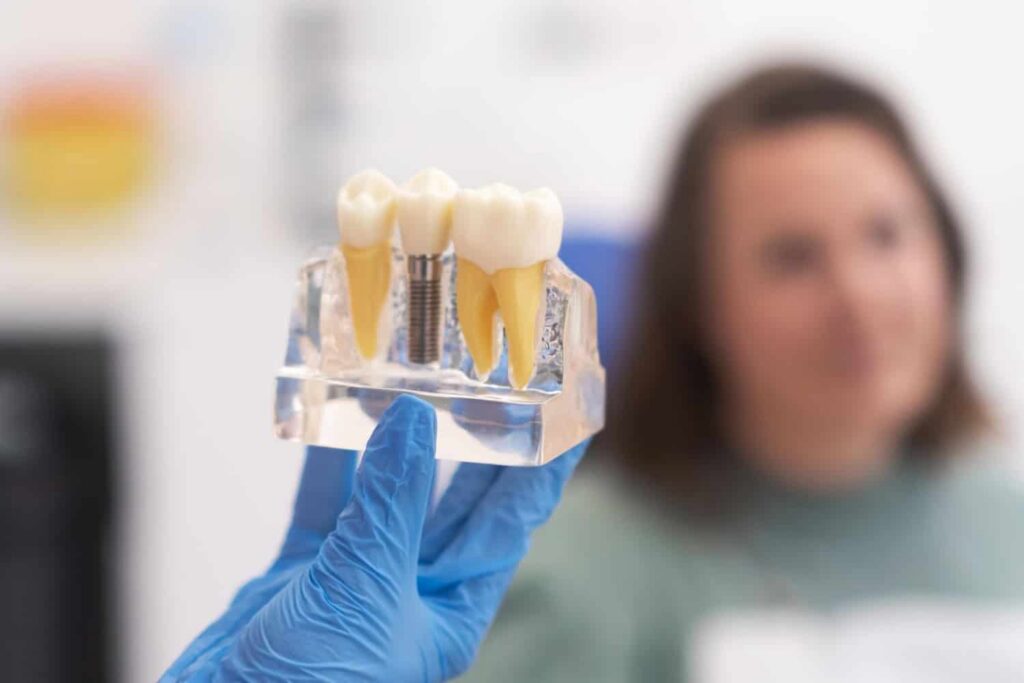
All-on-4 dental implants are a durable and streamlined solution for anyone missing multiple teeth. Instead of replacing each tooth individually, this system relies on four strategically placed implants to support a full arch of replacement teeth. It’s a smart option for those wanting a strong, permanent fix compared to traditional dentures. With the right care, these implants can look and feel like your real teeth, whether you’re speaking, eating, or flashing a smile. Just like natural teeth, all-on-4 implants need regular care to stay in top shape. Skipping basic maintenance steps can lead to gum problems, wear and tear, or even implant failure over time. The good news is it doesn’t take much to keep them clean and healthy on a daily basis. A solid routine and a little awareness go a long way in making sure your investment pays off for the long run. Cleaning Your Implants Daily The first step to keeping your all-on-4 implants in good shape is daily cleaning. Think of it the same way you would care for your natural teeth. Plaque and food debris can still collect around the implants, which can lead to gum irritation or infections if left unchecked. The daily routine doesn’t have to be complicated, but it does need to be consistent. Here’s how to clean your implants properly: – Use a soft-bristled toothbrush or an electric toothbrush your dentist recommends. – Brush for at least two minutes, reaching all sides of your prosthetic teeth and along the gumline. – Stick to non-abrasive toothpaste that won’t scratch the materials used in the implants. – Floss around the implants using specialized threaders or implant-safe floss. – For hard-to-reach spots, use interdental brushes or water flossers to remove debris. Even if the implants aren’t real teeth, bacteria can still build up and lead to infection or inflammation of the surrounding gum tissue. If you’re unsure about which products are safe, your dental provider can recommend tools designed specifically for implant care. The most important thing is to be gentle but thorough. Don’t scrub too hard. You want to remove grime, not cause damage. It may take a few days to get used to the added steps, but once it becomes routine, it doesn’t feel like extra work. One patient compared switching to all-on-4 implants to getting a new pair of nice shoes—you just learn to treat them with more care because they’re worth the effort. Proper Diet And Eating Habits Taking care of your implants isn’t just about brushing and flossing. What you eat matters, too. Even though all-on-4 dental implants are made to handle daily use, being mindful of your diet can help extend their lifespan and protect the surrounding tissue. Sticky, hard, or overly chewy foods can cause unnecessary pressure on the prosthetic teeth. Some examples include: – Ice cubes – Hard nuts – Caramel or sticky candy – Very crunchy chips or popcorn kernels It’s better to avoid biting directly into these types of foods, especially with the front teeth. Cutting things into smaller pieces and chewing with greater awareness can help avoid accidental damage.That said, there are plenty of foods that support oral health in general. Crunchy veggies like carrots or celery (when chopped into bite-sized pieces), lean proteins, whole grains, and dairy options like yogurt are all friendly choices. Drinking water regularly also helps rinse away food particles and keeps your mouth clean.Eating with care doesn’t mean you have to give up your favorite meals. It’s more about balance and staying aware of how your food choices affect your oral health. Choosing the right foods now can save you time, money, and discomfort later on. Regular Dental Check-Ups Daily care at home is key, but it doesn’t cover everything. Professional cleanings and regular check-ups at Anderson Dental make a big difference in keeping your all-on-4 dental implants strong and problem-free. These visits help catch issues early and give the dental team a chance to clean spots you might miss. When you come in for a check-up, here’s what usually happens: – We examine your implants to check for wear or looseness – We evaluate your gums for irritation or inflammation – We thoroughly clean around the implants, removing plaque or buildup – We provide tips based on what we see in your brushing and flossing technique These visits are helpful even if things feel perfectly fine. Some problems, like early bone loss or a loose fit in your prosthetic, might not have any symptoms at first. Getting in front of them before they become bigger issues can save you from more involved treatment later. Make check-ups part of your routine. Skipping them just because everything feels okay can lead to surprises down the road. Staying on schedule is one of the best ways to protect your smile long term. Monitoring And Addressing Issues Promptly Even with good care, things might pop up from time to time. The important thing is to catch the signs early and act quickly. Don’t ignore strange feelings or delay calling for a visit. Keep an eye out for signs like: – Bleeding while brushing or flossing around the implants – A bad taste or odor that won’t go away – Red, swollen, or tender gums – Feeling like the tooth or prosthetic is loose – Soreness or pain while chewing These signs don’t always mean something serious, but it’s smart to check in if you notice them. Minor issues can usually be managed without much trouble when caught early, but waiting can lead to bigger problems or more complicated procedures. Trying to deal with things on your own is never the answer. Making a quick appointment is much better than guessing. Something that starts as a small irritation could lead to gum infection or implant failure if left untreated. Trust what your body’s telling you. Our team is here to help with preventive care and prompt solutions that keep your implants in excellent shape. Smart Habits for a Long-Lasting Smile Caring
Sleep Apnea Sleep Apnea Therapy Anderson Dental

When you have trouble staying asleep at night, you might simply brush it off as a bad night and go on about your day. But what do you do when you struggle to stay awake during the day or keep waking up with migraine headaches? Many people think that sleep apnea is just another part of aging, but this couldn’t be further from the truth. Instead of accepting your sleep apnea, you can get it treated with the help of a dentist! Why Sleep Apnea is Not Normal There are many aspects of your body that can change and develop as you age, but that does not include sleep apnea. There are multiple forms of sleep apnea that can appear; the most common form is known as obstructive sleep apnea, also known as OSA. This type of sleep apnea is characterized by a physical blockage in the mouth that prevents proper airflow while you sleep. As a result, the brain sends a stress signal to the body, forcing it to wake up and prevent you from suffocating in your sleep due to the blockage. The blockage itself could be one of your oral muscles, such as the tongue, tonsils, soft palate or uvula. As these muscles relax, the airway narrows as you sleep, making it difficult to breathe consistently throughout the night. In order to correct this apnea, your body emits a loud snorting, choking or gasping sound. While there are many risk factors for sleep apnea, including excess weight, smoking, diabetes, high blood pressure, narrowed airways, asthma, and a family history of sleep apnea, aging is not one of them. Do You Have Sleep Apnea? Sleep apnea can be difficult to look for on your own, which is why it’s important to visit a doctor even if you slightly suspect that you might have this condition. Not only can it negatively affect your family life, but it can also affect productivity at your job. The most common signs and symptoms include: Snoring loud enough to wake up or disturb those nearby you Waking up gasping or choking for air Pauses in your breathing during sleep Excessive daytime drowsiness Mood changes or irritability Waking up abruptly by gasping or choking Morning headaches Nighttime sweating Treatments You Should Consider Since dentists have a clear understanding of how the oral and facial structures interact, they are actually well equipped to treat conditions like sleep apnea. For example, they can provide an oral appliance that is highly customized and specifically designed to open the airway during sleep. This is done by shifting the jaw forward, which applies pressure to the throat muscles and keeps the airway free of obstructions. For more severe cases of sleep apnea, combining an oral appliance with a CPAP machine can also be effective, especially when it’s difficult to use a CPAP on higher settings. Sleep apnea doesn’t have to be a fact of life. Schedule an appointment with a dentist to see how you can manage your condition and take back your good night’s sleep!
Give the Gift of Confidence with Professional Teeth Whitening

As we head into the holiday season, you’re searching for the perfect presents to put under the tree. Although there are many excellent options, why not give something better than one that will sit on a shelf collecting dust in a few months? Instead, give a gift that keeps on giving with professional teeth whitening. Here’s how you can ensure your friend or loved one starts the year feeling their best with a beautiful, bright smile. Consequences of a Discolored Smile Research shows one-third of adults don’t like their teeth. People who aren’t satisfied with their smile might avoid certain social settings and may even feel limited in their career. Someone who is embarrassed by their teeth might even skip smiling or taking pictures. Although many issues might make them insecure about their teeth, stains and discoloration are leading concerns. If you know someone who feels self-conscious about their brown or yellow teeth, your cosmetic dentist in Anthem can help. Benefits of a Bright Smile Reversing tooth discoloration is the ideal gift because it offers 4 amazing benefits, including: Improved Self-Esteem: Teeth whitening can give their confidence a boost and transform their outlook on life using an in-office or at-home whitening system. Not to mention, whiter teeth will make them look younger to help them feel comfortable in their own skin. Better Career Prospects: People who have an attractive smile are perceived as being intelligent and more professional, which can open the door to new career prospects for your loved one. Always in Style: Unlike the latest fashion trends, a bright smile goes perfectly with every outfit, so you don’t need to worry about them only enjoying their gift for a few months. Long-term Satisfaction: With the right aftercare, their smile can stay bright for many months, so they can enjoy their gift every time they look in the mirror. Options for Teeth Whitening Your dentist in Anthem offers a couple of options for teeth whitening to provide the ideal solution for your loved one’s needs: In-Office Treatment: Teeth can become as much as 10 shades brighter after just one appointment. An in-office treatment can be the ideal option for someone who has a busy schedule and wants quick improvement. At-Home Kit: Professional results can be achieved from the comfort of home over a period of 2 weeks. It’s often recommended for people who want added convenience and privacy when enhancing their smile. Dentist Near Me for Teeth Whitening If you haven’t found the ideal gift, think outside of the box. Invest in your loved one’s future with a professional whitening treatment.
Can You Whiten Veneers? Phoenix | Anderson Dental

Right after you got your veneers, you probably felt great about your bright, white smile. However, as the years go by, you may have noticed some discoloration. While they do not become stain nearly as easily as your natural tooth enamel, it can still occur over time and the process to whiten porcelain veneers isn’t quite the same as whitening your natural teeth. Continue reading to learn more about veneers, how they can become discolored, and what you can do to lift the stains. How Do Porcelain Veneers Become Discolored? Even though veneers are made out of stain resistant material and do not become discolored as easily as your protective enamel, surface stains can still develop after prolonged exposure to highly pigmented foods and drinks, like tea, red wine, coffee, and berries. Smoking tobacco products can also cause this to occur over time. How Do You Whiten Veneers? You may be tempted to go to your local drug store and invest in an over-the-counter whitening kit. However, this isn’t the best idea. The material that veneers are made from don’t respond well to this type of whitening. It is a better idea to talk to your dentist about it. Even though you cannot whiten them, your dentist could still improve their look with regular visits. Professional cleaning help to remove surface stains. If your veneers have become very discolored, your dental may recommend replacing them. How Do You Prevent Veneers from Becoming Stained? In order to keep your veneers from becoming stained over time, it is important that you maintain a good oral hygiene routine. This means brushing and flossing after you eat. You may feel tempted to use a whitening toothpaste, but this isn’t a good idea. Many ingredients in whitening toothpastes are abrasive and too hard on your veneers. Be careful what you eat as well. Avoid foods that typically cause staining like curry, jam, tomatoes, soy sauce, red wine, berries, and coffee. Be careful when eating hard foods so you do not cause them to become damaged. Acidic foods like hot sauce and lemons can also cause damage to the surface of the veneers. By carefully choosing what you eat, you can keep them in better shape. Veneers don’t stain like your natural enamel does, but it pays to care for them so that you don’t need to worry about discoloration in the future. This way, you can enjoy your bright, white smile for years to come.
Got Bleeding Gums ? Learn What it Means from a Dentist.

If you’ve recently noticed your gums bleeding when you floss, you might think that this is a cause for concern. However, whether you have to visit a dentist or not for care really depends on a few different factors. In the event you notice bleeding gums and you don’t know what to do, a dentist can provide great advice! They’re always prepared to help you improve your at-home care and perform gum therapy if necessary. What Causes Bleeding Gums? There are multiple causes for bleeding gums, but the most common cause is plaque buildup. This buildup along the gum line and between the teeth can irritate the gum tissue, causing them to bleed and become inflamed over time. Plaque is a sticky substance that develops as oral bacteria consumes sugar and starch found in the foods you eat. These bacteria release waste in the form of plaque acids. One of the best ways to get rid of this plaque from the hard-to-reach areas of your mouth is through flossing.After enough time, plaque can turn into calculus, which is much more difficult to remove. In fact, it can only be removed by a dentist as no amount of brushing and flossing can effectively break it down. If there’s an underlying condition related to your gum tissue, they will be the best medical professional to see to both remove this hardened plaque and protect your gums from future infection. When Should You See a Dentist? If you have not flossed in a long time, you may notice small amounts of bleeding when you begin flossing. While this may be concerning at first, as long as the bleeding goes away relatively soon after you start flossing, you don’t have anything to worry about. Just make sure to continue your flossing habit daily as this will work to remove plaque from the deep pockets between your teeth and areas along your gum line.However, if you notice your gums do not stop bleeding after flossing or they even bleed as your brush, it’s a sign of advanced gum disease that requires closer attention. A dentist will be able to get you on the right path towards healthier gums. This may include a professional cleaning or gum therapy, which involves scaling and root planing every three to four months. How You Can Prevent Bleeding Gums Moving Forward Once your gums have been treated, it’s very important that you take the necessary steps to prevent your gum infection from coming back. This should include: Brushing twice a day with fluoridated toothpaste Using a soft-bristled toothbrush Making sure not to brush too hard Flossing at least once a day Adding a fluoride-enriched oral rinse (avoid rinses containing alcohol) Staying committed to routine dental exams and cleanings every six months Bleeding gums are not the end of the world, but you should still seek professional care if the problem does not stop on its own. Schedule an appointment with a dentist today to keep your gum health in check!