
How an Oral Cancer Screening in Anthem Could Save Your Life!

Quietly, oral cancer is on the rise in America. Researchers report that over the past 10 years, the number of new cases has risen by 30%, which is why dentists around the country have joined forces to recognize April as National Oral Cancer Awareness Month. During this period, there is a big push for the populace to take a stance against the disease by undergoing an oral cancer screening in Anthem. Read on to find out why this is so important. What is Oral Cancer? Originating in the flat cells of the mouth, oral cancer is a collection of diseases that cause certain cells to divide without stopping. The cancerous growths can be found in the following areas: Gums Throat Cheeks Tongue Sinuses Floor of the mouth Soft and hard palate The Importance of Early Detection When you visit your dentist for preventive care, it includes an oral cancer screening. This is critical to undergo because with early detection, the chances of surviving five years or longer increases to 75%. However, if the disease has an opportunity to spread, it’s much harder to treat. Thus, the survival rate can fall to 20% or lower. The screening is usually conducted in two parts: a visual and tactile examination. Visual Assessment The dentist will be looking for signs of abnormal growths, red or white spots, ulcerations or bumps. The areas that will be inspected are the entire oral cavity, neck and nose. Hands-on Examination Next, using his or her hands, the dentist will probe the same areas in search of anything that is uncommon. If there are any oddities discovered, further tests can be conducted to determine if oral cancer is present. The Other Benefits of Preventive Care In addition to undergoing an oral cancer screening, there is more to gain from visiting for preventive care. You’ll also receive a thorough cleaning to remove any built-up plaque and tartar. This is an integral step to preventing oral cancer because bacteria growth has been found to be a major contributor to the development of the disease. Protect Yourself Today This year, 53,000 people are expected to be diagnosed with oral cancer, and of that population, 11,000 cases are expected to end fatally. By taking action today, though, you have a chance to protect yourself. While the main objective is to receive a “clean bill of health,” if any signs of oral cancer are detected, by attacking the disease early, you have a much greater chance of recovering. So to recognize National Oral Cancer Awareness Month properly, reach out to your dentist in Anthem to schedule a visit today.
Porcelain Veneers Near Anthem | Porcelain Veneers | Dr. Lori Anderson
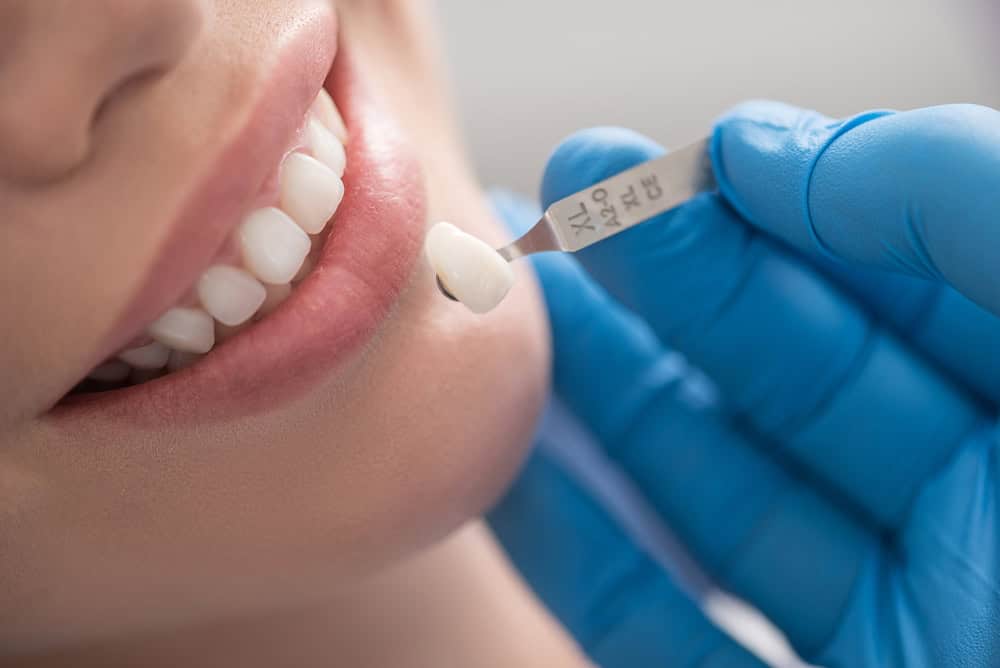
Do you think you have small teeth? Have you thought about straightening your smile but don’t want to deal with braces? Do you wish your smile were a few shades whiter? Porcelain veneers near Anthem might be the right choice for you. They can fix multiple imperfections in your smile at once. Let’s take a closer look at how porcelain veneers work, and how they can benefit you. What Are Porcelain Veneers? Veneers are thin coverings made of dental porcelain – a very strong material that is indistinguishable from regular tooth enamel. It even reflects light in the exact same way! They are designed to be placed over the front surfaces of your teeth to conceal many different kinds of imperfections, including: Chipped, cracked, or broken teeth Slightly crooked teeth Stained or discolored teeth Wide gaps between teeth Teeth that are worn down unevenly Porcelain veneers can be custom designed for each tooth to effortlessly blend in with the rest of your smile. They’ll look exactly like your own teeth, only better! How Do Porcelain Veneers Work? After the initial consultation, you can get veneers placed in just two appointments with your dentist near Anthem. At your first visit, a thin layer of enamel is removed from the front of your teeth to make room for the veneers. This procedure would only require a local anesthetic at most. Then your dentist will take impressions of your prepared teeth and send those off to the lab, where your permanent veneers will be crafted. Then you will be fitted with temporary ones to protect your teeth and let you get used to the way the veneers will feel in your mouth. In a couple of weeks, when your permanent veneers are ready, you will return to the office. Your dentist will remove the temporary veneers and place the permanent ones. Voila! Your smile is transformed! Just make sure to take excellent care of your veneers with regular brushing and flossing, and your new smile can last up to a decade or even longer. How Can Porcelain Veneers Benefit You? Porcelain veneers can provide you with multiple benefits, such as: Whitening your smile by erasing years of smoking or drinking coffee Solve minor cosmetic problems Replaced enamel that has been damaged No matter what issues you may have with your smile, porcelain veneers can solve them. Talk to your dentist today if you are interested.
Teeth Cleaning in Anthem | National Dental Hygiene Month Tips | Oral Health

National Dental Hygiene Month was coined in 2009 by dental hygienists. They wanted their patients to have a month dedicated to tweaking their at-home routines, learning about the importance of preventive care, and optimizing their oral health. Having healthy teeth and gums doesn’t just come naturally, people have to be diligent about brushing and flossing every day. When you take care of your mouth, you’re taking care of your overall wellbeing as well, which makes this month about more than a beautiful-looking grin. Read on to learn four tips to keep your health in tip-top shape this National Dental Hygiene Month. Upgrade Your Oral Hygiene Products Whether you’re not a skilled brusher and flosser or you just don’t like doing it, upgrading your oral hygiene tools can make your routine more effective and efficient. While sonic and electric toothbrushes are more costly than manual ones, they’re known to do a better job at removing plaque and food debris from your mouth. Various studies have shown that these high-tech gadgets reduce plaque by 21 percent more than regular toothbrushes and the development of gingivitis by 11 percent. Most people have difficulty maneuvering dental floss or find the process too tedious to even bother with. If you consider yourself in one of these categories, try switching to a water flosser. They’re easier to use and have been proven to be twice as effective at reducing gum bleeding than regular floss. Visit Your Dentist For a Routine Checkup and Cleaning A semi-annual dental checkup in Anthem plays a vital role in diagnosing oral health problems while they’re still easy to treat. With the proper preventive care, including professional cleanings, you can reduce your risk of developing common oral health problems like cavities, gum disease, and tooth infections. They can also spot problems that are hidden underneath the surface that you wouldn’t be able to see or feel otherwise. Don’t Forget to Floss Daily The American Dental Association recommends flossing every day to maintain healthy teeth and gums. Although these small areas in between your teeth don’t seem like they can collect plaque and food debris, they certainly can. When these harmful substances build up, it can also increase your risk of developing gum disease. Brush Your Tongue Regularly On the surface of your tongue are small, sticky bumps called papillae that catch food particles. If you forget to clean your tongue every morning and evening while you’re brushing your teeth, these particles can mix with your saliva and stick to your teeth, causing harmful oral bacteria accumulation. To keep your breath minty fresh and stay approachable, be sure to clean your tongue every time you brush your teeth. You can also rinse with an antibacterial mouthwash as well. This National Dental Hygiene Month is the perfect time to schedule an appointment with your dentist in Anthem. When you tweak your at-home oral routine and get high-quality preventive care, you can rest-assured that your mouth will stay happy and healthy for decades to come.
Warning Signs Your Implants Need Professional Review
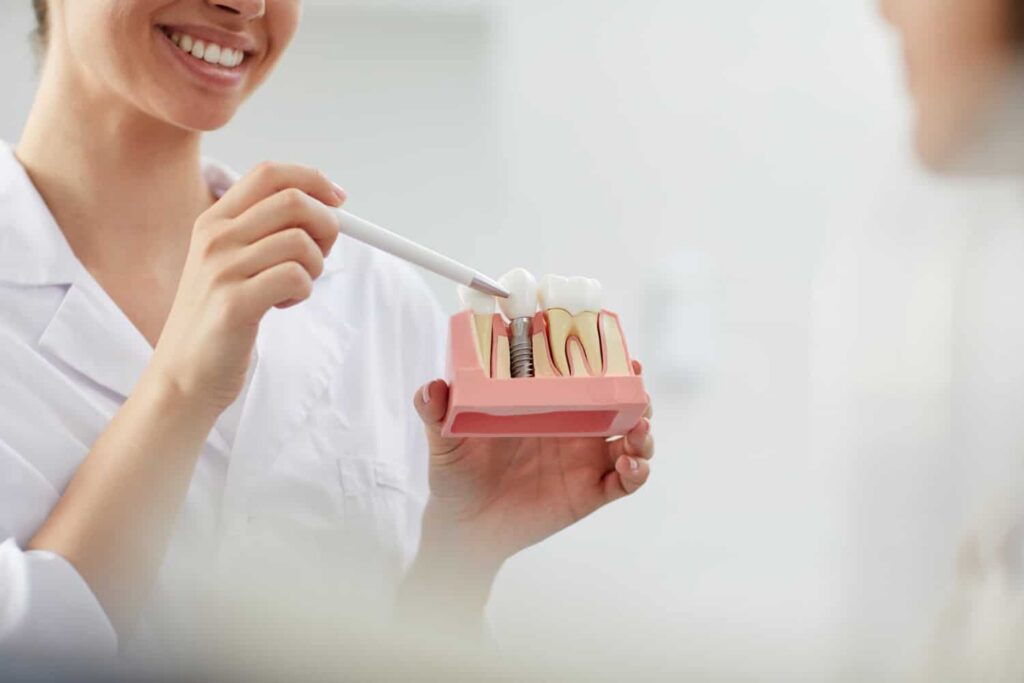
Dental implants are meant to feel and function like real teeth. When placed and cared for correctly, they can last for years and make everyday tasks like chewing and speaking a lot easier. Many people forget just how important regular checkups are after those implants settle in. Even though they’re not natural teeth, implants still need consistent oversight from a trained eye to stay in good shape. If you’ve had dental implants placed in Phoenix, keeping up with your oral health doesn’t stop once the surgery heals. Over time, implants can develop issues that aren’t always obvious until they get worse. That’s where a dental implant specialist in Phoenix steps in. Their job isn’t just reacting to problems. It’s also watching for signs early and helping prevent more serious damage. Knowing what to look out for can help you avoid bigger complications down the road. Pain Or Discomfort That Doesn’t Feel Right Some tenderness right after getting implants is expected. But if you start feeling pain weeks, months, or even years after your implant was placed, that’s not something to ignore. Most of the time, dental implants shouldn’t cause any discomfort once you’re fully healed. If they do, it could mean something’s off. Pain can show up in a few different ways: – A dull ache that feels deep near the implant – Sensitivity when chewing or biting down on one specific area – Sharp or sudden pain in the gums or jaw – Discomfort that starts mild and slowly gets worse over time – Swelling or redness near the implant site coupled with pain Not every ache means there’s a major problem, but pain is your body’s way of saying something needs attention. That could mean extra pressure on the implant, a nearby infection, or even a loose fit. Getting it checked early by a dental implant specialist in Phoenix can help stop a minor issue from turning into a more expensive fix later. One common situation we see involves people who grind their teeth without realizing it. That constant pressure can slowly shift or damage an implant. What starts as a small irritation overnight may become full-out discomfort that interrupts your daily routine. Night guards can help in situations like that, but first, the implant needs a professional review to rule out deeper issues. Movement Or Loosening Around The Implant When properly placed, an implant should feel just like a natural tooth, firm and steady. If it wobbles, moves when touched, or shifts when you bite down, that’s a red flag. Unlike baby teeth, implants aren’t supposed to move. Here’s what to watch for: – Feeling like the implant rocks back and forth – Pressure that seems uneven when biting down – Gums that pull away slightly to expose the edges of the implant crown – A clicking sound when you chew – Needing to adjust how you chew certain foods because one side feels off Movement almost always points to a deeper issue. The implant may not have bonded well with the jawbone, or bone loss may be pulling support away from the area. Infections can also weaken the tissue structure that keeps everything anchored. The sooner an implant is checked by a professional, the better. A dental implant specialist in Phoenix can take a close look with diagnostic tools to see whether the implant is still secure or if some repair or possibly replacement is needed. Regular visits help keep these problems from sneaking up on you, even if your implants don’t feel loose yet. Prevention goes a long way when it comes to protecting your smile. Gum Issues Around Implants Your gums play a big role in keeping your dental implants healthy. When they’re irritated or inflamed, it can be a sign that something’s starting to go wrong. Good gum health doesn’t just keep your smile looking good. It protects the underlying implant and bone structure too. Watch for these common warning signs: – Red or puffy gums around the implant site – Gums that bleed easily when brushing or flossing – A bad taste in your mouth that doesn’t go away – Recession in the gumline near the implant, making it look longer than usual – Pus or discharge near the implant area When gums pull away or stay swollen, it can open the door for bacteria to get underneath and weaken the structure around the implant. That might lead to bone loss or even implant failure if it’s not spotted early. Checking in with a dental implant specialist in Phoenix can help catch inflammation like this before it leads to long-term damage. This type of gum trouble can also result from changes in how you brush or floss. Using too much pressure or not cleaning certain spots well enough can both lead to irritation. If inflammation becomes an ongoing problem, the specialist might recommend a professional cleaning or adjustment to your routine. The key is not to assume it’ll resolve on its own. Unusual Sensations Or Changes Around Your Implant When things start to feel a little off around your dental implant, don’t brush it aside. Odd sensations are often some of the first clues that a problem is starting behind the scenes. Unlike natural teeth, implants don’t have nerves in the root, so you won’t always feel issues the same way you might with other dental problems. Keep an eye out for these strange or sudden changes: – Tingling or numbness in the gums, tongue, or chin – A sense of pressure around the implant even when not chewing – A loose feeling in neighboring teeth – A gap that seems to be getting bigger between two teeth – Your bite suddenly feeling uneven or harder to line up Any of these signs could mean there’s a shift happening in the structure around the implant. That could be from bone loss, infection, or pressure from surrounding teeth. Infections in particular may not hurt at first, but they can spread quickly and
Questions to Ask When Selecting a Phoenix Dental Team
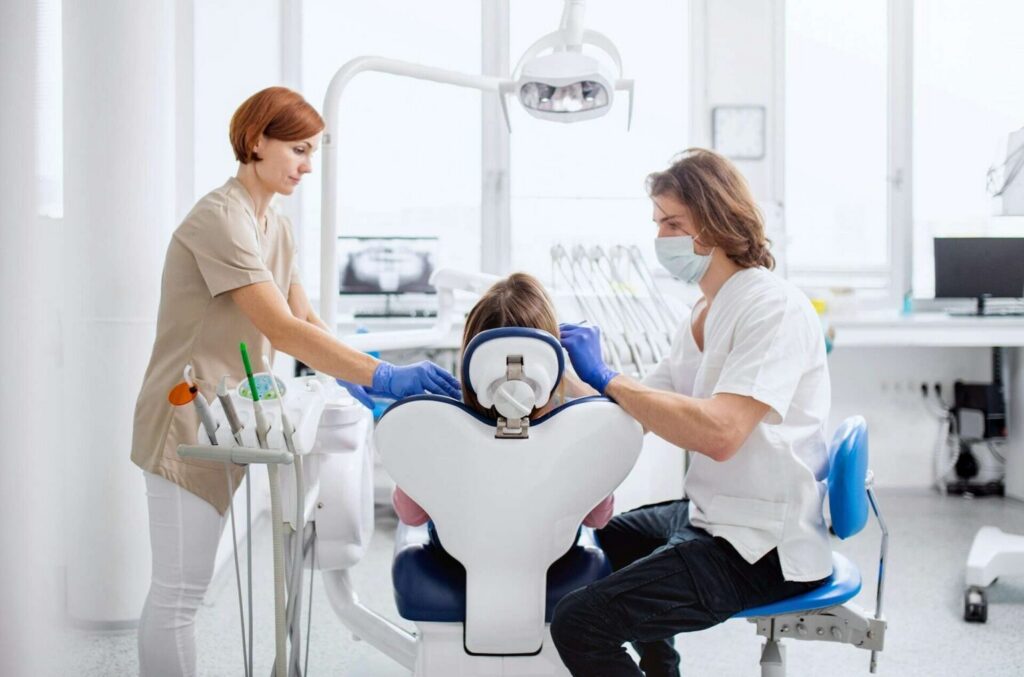
Picking the right dental team is about more than just scheduling cleanings. It’s about finding a group of professionals who care about your comfort, understand your needs, and are there for you when it really matters. Whether you’re managing ongoing dental needs or looking ahead to future treatments, feeling confident in the people taking care of your smile makes a big difference. Long-term dental health depends on consistency. You want the kind of place where the staff remembers your name, tracks your history, and works with you to prevent problems instead of just reacting to them. Choosing the right dental clinic in Phoenix starts with asking the right questions and knowing what to listen for in the answers. What’s Their Experience And Credentials? You don’t have to be a dentist to figure out whether a clinic knows what it’s doing. One of the first things to look for is professional experience and qualifications. Licensing is standard, but it helps to know how long the dental team has been practicing and what areas they focus on. Certain procedures like implants, braces, or cosmetic work call for more advanced training or practice. If you’re unsure where to begin, here are some points you can ask about during your first call or visit: How long has the dentist been practicing? Do they have any special training or certifications beyond general dentistry? What continuing education do they take part in? How familiar are they with the procedures you might need? Is the staff trained in updated safety and hygiene practices? You should feel comfortable asking these questions. A good team won’t be put off. They’ll be happy to share their background and reassure you that you’re in the right hands. Think of it like hiring someone to fix your car. You’d want someone with real experience, not someone just learning on the job with your engine. What Services Do They Offer? General care is just one piece of the puzzle. It’s helpful to know ahead of time what services your dental team can provide so you don’t have to seek out another clinic when a more complex issue comes up. That kind of continuity saves you time, calms anxiety, and keeps your records all in one place. When browsing or calling clinics, try to get a sense of what they actually treat. Some locations may only offer the basics like exams and cleanings, while others handle everything in-house from root canals to whitening to dentures. Look for a dental clinic in Phoenix that includes the following services: – Preventive care like checkups and cleanings – Restorative treatments such as fillings, crowns, and bridges – Cosmetic options like veneers or whitening – Emergency treatment for chipped teeth or abscesses – Family-friendly care that works for both kids and adults Even if you don’t need all those services now, it’s easier when you know they’re available down the line. Life throws curveballs, and having a dental team that can handle more than just the basics means you’re ready no matter what pops up. How Do They Handle Patient Comfort? For a lot of people, going to the dentist raises some nerves. Whether it’s from past experiences or simply the thought of discomfort, anxiety can creep in and make regular visits feel like a big task. That’s why it helps to ask upfront how a dental team treats patient comfort. Each office is different. Some put more focus on making the atmosphere relaxing, while others offer extra support for patients who deal with dental anxiety. Sedation options or calming technology can make a visit feel more manageable. Noise-canceling headphones, warm blankets, or even a simple walkthrough of each step before starting a procedure can all go a long way. To get a real feel for how a dental clinic in Phoenix puts patient comfort first, ask these when scheduling or visiting: – What kinds of sedation or relaxation options do you offer? – How do you support patients who feel anxious about dental visits? – Do you provide any type of comfort-focused amenities? – What steps do you take to help kids feel relaxed here? – Can I talk through the process before you begin any treatment? The answers should help you understand whether a clinic takes the time to treat patients like people, not just appointments. If a team can explain their approach clearly and without pressure, you’ve probably found a place that puts your comfort on par with your care. What Are Their Policies On Emergencies? Toothaches and sudden cracks don’t follow regular office hours. Knowing how your dental team responds to emergencies can make all the difference when you’re in pain and not sure what to do next. Some clinics make slots in their schedule specifically for unexpected issues, while others may refer you elsewhere if something comes up last minute. Asking the right questions now can help you avoid confusion later. A dependable office will tell you exactly what to expect if you ever need fast help. Here’s what to ask about emergency care: – Do you offer same-day emergency appointments? – What’s the process for after-hours concerns? – Will I be seen by someone familiar, or will I be referred to another office? – Are you able to handle things like lost fillings, broken teeth, or sudden pain? No one wants to plan for problems, but having someone in your corner when the unexpected happens brings peace of mind. Whether it’s a soccer accident or waking up with severe pain, it’s good to know your dental team can act quickly and get things under control without a bunch of extra steps or delays. Are They Conveniently Located And Accessible? Living in Phoenix means dealing with traffic, heat, and sometimes long distances between destinations. A great dental clinic won’t help you much if it’s across town and hard to get to regularly. That’s why location and accessibility are practical things to keep in mind before committing to a new dental team. Start
Protecting Your Investment: Dental Implant Care Guide
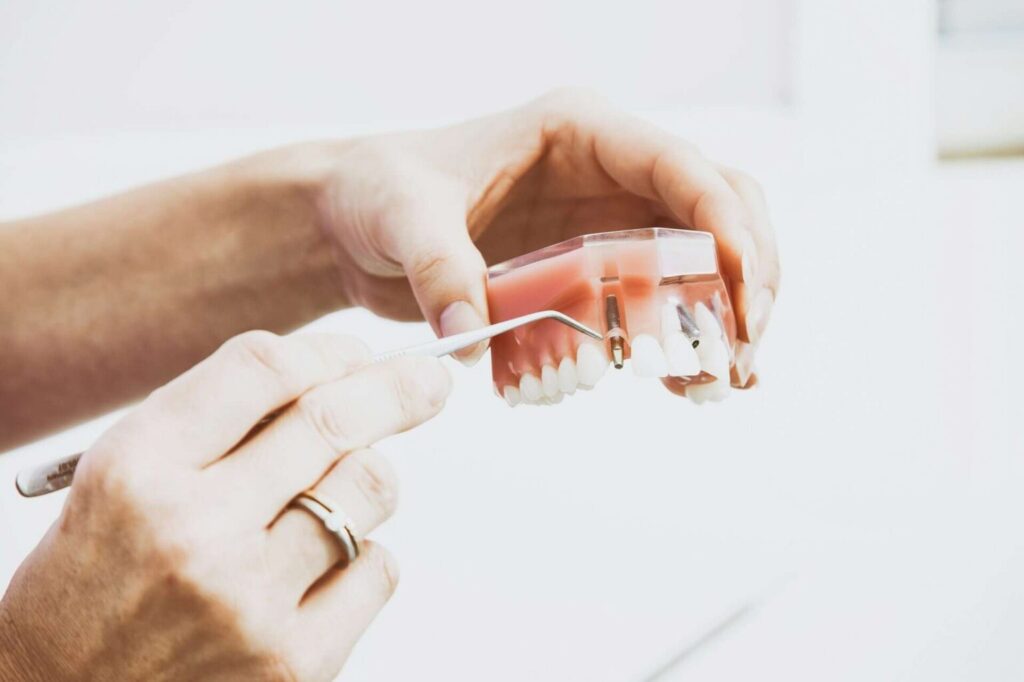
Dental implants are a big step for anyone who’s been living with missing or damaged teeth. They look and function like real teeth, giving people the ability to chew comfortably and smile with ease. Since getting implants involves both time and money, taking good care of them is a top priority. The more attention you give them day to day, the longer they’ll last and the less likely you’ll run into issues later. Living in Phoenix brings its own twist when it comes to oral health. With low humidity, high temperatures, and plenty of outdoor activities, staying hydrated and maintaining moisture in your mouth can pose a challenge. All these factors can play a role in your overall dental health, including the well-being of your implants. That’s why getting familiar with the basics of implant maintenance can go a long way in protecting your smile. Daily Dental Implant Care Keeping your implants clean doesn’t have to be complicated, but you do have to stick to a good routine. Unlike natural teeth, implants don’t decay, but the surrounding gum and bone can still be affected by bacteria. That’s why proper daily care helps prevent infections and keeps everything stable. Here’s what an ideal care routine looks like: – Use a soft-bristled toothbrush: Whether electric or manual, choose a brush that’s gentle on your gums. Avoid firm bristles since they can cause wear or irritation. – Brush twice a day: Focus around the implant just like you would with any other tooth. Move the brush in small circles and gently brush the gumline too. – Floss daily: Use a floss specially designed for implants or a floss threader to get under the gum and around the implant. There are also tiny brushes called interdental brushes that work well for tight spaces. – Rinse with an antibacterial mouthwash: Go for one that’s alcohol-free to keep your mouth from drying out, especially in Phoenix’s dry climate. Mouthwash helps reduce bacteria and freshen breath. Staying consistent with these habits not only keeps your implants clean, but it helps your gums stay healthy too. A dry mouth can make implant care trickier, so drinking water throughout the day also supports your efforts. Keep a reusable water bottle with you, especially if you’re out hiking or walking around town. Hydration plays a quiet but important role in keeping the area around your implants moist and free from irritation. Skipping steps here and there might not seem like a big deal, but over time, it can lead to plaque buildup and inflammation. Once that happens, the tissue around your implant can become tender or even infected. That’s why building a solid routine and sticking with it is key. The good news? It doesn’t take much time and quickly becomes second nature. Professional Maintenance And Checkups Even with a solid at-home routine, dental implants need professional care to stay in top shape. Getting regular checkups helps catch small problems early before they turn into bigger ones. Just like real teeth, implants can be affected by plaque, tartar, and bacteria if they’re not professionally cleaned. During a cleaning appointment, the dental team uses tools that are safe for implants. These tools remove sticky buildup from around the implant and under the gumline. They’ll also check your gum health and make sure everything fits and feels the way it should. If your implant crown feels off or there’s any movement, they can take a closer look and fix it as needed. Here in Phoenix, a dry climate means some people struggle more with dry mouth, especially during the hotter months or when the AC is running nonstop. At your dental visit, it’s helpful to talk about this. The team might suggest products or treatments that support saliva production and comfort around your implant area. They’ll also check for signs of wear, pressure, or irritation that could be tied to things like grinding at night. Keeping up with these appointments can prevent implant failure and help your smile last longer. Skipping checkups may not seem like a big deal, but sometimes trouble starts quietly. A quick visit twice a year gives you peace of mind and makes sure your implants are doing their job without hidden problems. Smart Eating Habits For Strong Implants What you eat can either protect or wear down your implants. Some foods promote gum health and help maintain strength in the bone around the implants, while others bring risk for damage or irritation. Getting into a good eating pattern makes maintenance easier and helps your mouth stay healthier overall. Here’s a simple breakdown of what to look for and what to limit: – High-fiber fruits and vegetables – apples, carrots, celery, and leafy greens can help clean your mouth and keep tissues strong – Lean proteins – chicken, fish, and eggs contribute to tissue repair and bone strength – Dairy – milk, cheese, and yogurt support healthy bones and also help balance the pH in your mouth – Crunchy nuts (if tolerated) – helpful in moderation, but best avoided if you’re worried about biting down the wrong way – Water – staying hydrated is big in a place like Phoenix, especially due to the dryness Things to watch out for: – Sticky and chewy candies – can pull at crowns or get stuck around the gums – Hard snacks – like popcorn kernels or ice, which can crack the implant crown – Too much citrus or soda – acids can wear down enamel on your natural teeth and bother your gums Phoenix also has a rich selection of spicy and flavorful foods. If your gums feel sensitive, take it easy on super hot sauces or anything that creates a burning sensation. Adjust as needed to stay comfortable, especially when healing from a recent procedure involving your implants. What To Do When Something Feels Off If your implant feels different than usual, don’t brush it off. It might be something small, but the longer it sits, the more it could affect your smile. When caught early, most implant issues are
After-Hours Tooth Pain: When to Call an Emergency Dentist

Tooth pain has a way of showing up at the worst possible moments—late at night, on weekends, or during a family gathering. When it hits, it can feel overwhelming and leave you unsure about what to do next. You might wonder if the pain will pass or if it means a bigger issue that needs help now. While not every toothache is an emergency, some situations do need immediate attention. It’s helpful to recognize the signs your body is giving you so you don’t ignore something serious. Acting quickly can sometimes be the difference between keeping a tooth and losing one. If you’re in Phoenix and dealing with pain outside typical hours, knowing when to call an emergency dentist can bring peace of mind and timely relief. Recognizing Serious Tooth Pain Tooth pain can come in different forms, and each type might signal something specific. Understanding how the pain feels can help you figure out how severe the issue is and whether you should act fast. Here are some common types of tooth pain and what they could mean: – Sharp or stabbing pain: May feel like a sudden jolt and could be a sign of a cracked tooth or exposed nerve. – Throbbing or pulsating pain: This kind of pain often points to an infection in the tooth or surrounding gum tissue. – Dull, steady aches: Might come from regular teeth grinding or a cavity that’s been growing unnoticed. – Pain triggered by pressure when chewing: Could indicate a broken tooth, loose filling, crown, or more decay than expected. In addition to the type of pain, there are certain symptoms that show it’s probably time to seek immediate dental care: – Swelling in your face or jaw – A fever or general feeling of illness – A bad taste in your mouth or discharge like pus – Bleeding that doesn’t stop – A tooth that feels loose or gets knocked out – Pain that prevents eating or keeps you awake at night If medication doesn’t help dull the pain and you notice swelling or fever, your body might be trying to manage a bacterial infection. That’s not something that passes on its own. Sometimes earaches, headaches, or jaw pain might actually be signs of hidden dental problems. Letting them go unchecked can cause bigger issues later. If your discomfort suddenly becomes unbearable, it might be time to stop wondering and start acting. Common Causes of After-Hours Tooth Pain Tooth pain that kicks in after hours usually stems from something that has been building for a while. It finally reaches a breaking point when your regular dentist isn’t available. These are some of the more common causes we see in emergency situations: 1. Dental Infections and Abscesses These form in the gums or at the root of a tooth. They usually bring intense pain, swelling, and sometimes fever. If the infection spreads, it can affect other parts of your body. 2. Broken or Cracked Teeth Whether from biting something hard or long-term grinding, a cracked tooth can expose the inner nerves. Once that happens, you’re likely to feel sharp pain every time you bite or chew. 3. Severe Cavities Small cavities might not hurt at first, but when decay reaches the tooth’s inner layer, the pain can quickly become unbearable. That’s when you need to act fast to avoid potential loss of the tooth. 4. Lost Fillings or Crowns When these come loose, the unprotected part of your tooth becomes sensitive to anything too hot, cold, or hard. The pain might develop right away or increase gradually over a short time. Pain that shows up in the middle of the night or on a holiday weekend is usually your body saying it can’t wait any longer. Even if the issue seemed small before, it might not stay that way for long. Steps to Take When Experiencing After-Hours Tooth Pain When your dental office is closed, it’s natural to feel stuck. But a few steps can give you some relief and possibly prevent the problem from getting worse while you arrange professional help. Here’s what to do right away: – Rinse your mouth gently with warm salt water to help clean the area and reduce swelling. – Use over-the-counter pain relievers like acetaminophen or ibuprofen. Avoid aspirin if there’s bleeding involved. – Place a cold compress on the cheek or jaw near the painful area to reduce swelling. – Stick to soft foods and try to chew on the opposite side of your mouth. Don’t poke at the area with fingers, tools, or even your tongue. If your tooth is knocked out, try to keep it moist. Placing it in milk or holding it gently in your mouth could help save it—but don’t delay care any longer than you have to. Even if home remedies give you some relief, it doesn’t always mean the issue is solved. Tooth infections and structural damage can seem to come and go before they get worse. Delaying treatment often leads to more complicated and expensive fixes later on. If you feel stuck or unsure of what counts as an emergency, give us a call. We’d rather you check than risk waiting too long. How Anderson Dental Can Help Tooth pain rarely sticks to a schedule. That’s why we’re here to help Phoenix residents with after-hours dental care when it can’t wait. Whether it’s a cracked tooth, lost crown, swelling, or ongoing pain that won’t respond to medication, we’re prepared to step in. Our goal during emergency visits is to figure out what’s going on, ease your symptoms, and get you started on treatment. From calming the pain to creating a plan for any necessary repairs, you won’t be left guessing what comes next. Whether you’ve been to Anderson Dental before or it’s your first call to us, we treat your situation with urgency and care. If your dental problem feels sudden and severe, it’s enough reason to reach out. Getting Back to Comfort with Prompt Care When tooth
Your Week-by-Week Bone Graft Recovery Timeline
If you’ve recently had a dental procedure or know one is on the horizon, it’s helpful to understand what recovery might look like. Dental bone graft surgery can play a big part in preparing your mouth for future treatments like implants. But it’s not always clear what healing should feel like day by day or week by week. This breakdown offers a look at the recovery timeline after dental bone graft surgery in Phoenix. Healing feels different for everyone, but having a general roadmap can make it easier to plan your days, follow care routines, and attend checkups. Knowing what to expect also helps ease stress, especially during the early days when your mouth feels more sensitive and you’re still adjusting. Week 1: Initial Healing The first few days after the procedure are usually the most noticeable. You might feel some aching, swelling, or even a bit of bruising near your jaw. These are normal parts of your body’s healing response. For the first week, especially the first 48 hours, you’ll want to take it easy and limit movement. Pain is usually easy to manage using medications recommended by your dentist. You can use cold compresses on the face using intervals of 20 minutes on and 20 minutes off to bring down swelling. Some bleeding is normal the first day or two. Gauze pads will help manage this and support clotting at the site, which is a big step in your healing process. Here are a few go-to tips to help you through week one: – Stick to soft or blended foods like smoothies, mashed potatoes, applesauce, and yogurt – Keep your head slightly elevated while sleeping or resting – Avoid straws and don’t spit, as this can disturb the area – Wait to smoke or drink alcohol, since these can interfere with healing – Use salt water rinses gently, without swishing hard, especially after meals This is a good time to focus on rest. Recovery starts deep within the bone and tissues, and the more care you show in this stretch, the smoother the next steps can be. If something feels off — like increasing pain or bleeding — reach out to your dentist. Week 2: Reduced Discomfort By the second week, you’ll likely notice that things start to ease up. The tenderness at the graft site should feel much less intense, and swelling usually goes down quite a bit. This is often the time when people can get back to simple tasks without too much discomfort. Your provider might schedule a follow-up during this window to make sure your surgical area is healing well and staying free of infection. It’s important to stick to post-visit instructions closely, even small updates to your routine can make a difference. Life can feel more normal this week, but it’s still important not to push it. You’ll want to: – Continue with a soft diet. If it feels right, try things like scrambled eggs, cooked noodles, or soft rice – Keep pressure off the area and avoid touching it – Stay away from strenuous workouts and high-impact movement – Keep brushing and flossing your other teeth, but steer clear of the surgical site You might notice you’re able to talk more comfortably or get through a day without thinking much about discomfort. That’s a good sign, but healing is still happening beneath the surface. Staying consistent with safe routines will help your results last. Weeks 3–4: Progressive Healing Week three is usually when things start to feel more steady. The site may still be a tiny bit tender if touched, but you’ll probably be back to regular eating and social life. The graft is still working behind the scenes, bonding with your existing bone in a process that takes time. At this point, you can typically expand your food choices: – Soft sandwiches, boiled veggies, and well-cooked pasta may be okay if you chew gently and away from the graft site – Ask your provider if it’s okay to brush near the area. If so, use a soft-bristled toothbrush and light pressure – Your range of motion while speaking, smiling, or yawning usually improves during this stretch Keep an eye out for warning signs, though. A little soreness is fine, but things like pus, lingering pain, or swelling that comes back could point to trouble. Whenever you’re unsure, a quick check-in with your provider is always smart. During these weeks, visible progress may feel small, but that’s normal. The deeper work of fusing the bone continues. Preventing issues is just as important now as it was in week one. Months 2–3: Bone Integration and Care Once you pass the one-month mark, focus turns to long-term healing inside the jaw. This stage is known as osseointegration, when the new graft bonds fully to the natural bone. Even though you can’t see it, this is one of the most important parts of the process, especially if you’re getting ready for dental implants. Protecting your progress by avoiding risky habits is a big deal here. That includes: – Skipping contact sports or heavy lifting unless your dentist gives you the go-ahead – Wearing a nightguard if you clench or grind your teeth to avoid stress at the graft site – Brushing and flossing daily, being gentle but thorough, especially near gumlines You may not notice much changing week to week, but if your checkups show good results and you feel steady, you’re likely doing everything right. Some patients mention they feel fully back to normal when chewing on the opposite side of their mouth again, though they still avoid the graft area to be cautious. At this point, consistent care will help round out your recovery. It’s not about rushing healing but supporting your body as it does the work. Looking Forward to a Brighter Smile By month three, your bone graft should be well on its way to being stable and integrated. Whether you’re prepping for an implant or improving jaw strength for
Real Talk About All-on-4 Dental Implant Recovery
All-on-4 dental implants are changing how people approach full-mouth restoration. For those with missing teeth or permanent dentures that don’t feel secure, this solution offers something far more stable. Unlike traditional implants that may require six to eight individual implants per arch, the all-on-4 system uses only four strategically placed implants to secure a full row of teeth. As promising as this sounds, the procedure is just one part of the bigger picture. Recovery plays a huge role in how successful the outcome will be. Preparing for healing and understanding what to expect takes a lot of stress and guesswork out of the process. For anyone considering all-on-4 dental implants in Phoenix, knowing how the recovery works is one of the best steps you can take. Understanding All-On-4 Dental Implants All-on-4 dental implants provide a reliable and functional solution for people dealing with extensive tooth loss. Instead of dealing with removable dentures or getting several individual implants, this approach gives you a full set of teeth that’s anchored securely into just four implants in the jaw. These implants are usually placed at specific angles to use the strongest parts of the jawbone, which often allows patients to skip bone grafting. Compared to traditional implants, the process tends to move faster with less healing time between phases. Here’s why many patients in Phoenix feel confident choosing this option: – Only four implants per arch, which usually means faster surgery and healing. – Implants go into dense bone, reducing the need for additional procedures. – Stays fixed in place, unlike dentures that can slip or shift. – Restores bite function and helps prevent facial sagging often caused by tooth loss. – Significant improvement in chewing, talking, and overall quality of life. While the treatment offers lots of benefits, people are sometimes surprised to learn how much of the final result relies on careful recovery. Thinking you’ll be back to eating normally in a few days can set you up for frustration. Giving your mouth time to heal is just as important as how well the implants are placed. The Recovery Timeline Recovery after all-on-4 implants doesn’t happen overnight. Everyone heals at a slightly different pace, but there are general phases that almost all patients experience. Taking each stage seriously will not only make you feel better but help prevent problems down the line. Here’s what recovery typically looks like: 1. First 24 to 48 Hours Minor bleeding and swelling are common in this phase. Rest is key. Stick to cool liquids or very soft foods, such as smoothies and protein shakes. Avoid hot drinks and do not use straws. Keep your head elevated, even during sleep, to reduce swelling. 2. First Week Swelling usually starts to go down after the first two or three days. You may still feel sore and need medications for discomfort. Gentle rinsing with saltwater and soft foods remain important. Avoid anything crunchy, sticky, or spicy. 3. Weeks 2 to 4 By now, the gum tissue should be healing nicely. Many people start to notice improvements in how they speak and chew. Your diet may expand a little, but still stick with foods that don’t stress the implant areas. Pasta, scrambled eggs, and soft fish are usually okay. 4. One to Three Months Your implants will begin a process called osseointegration, where the bone fuses around the implants. This part mostly requires patience. Follow-up visits will let us track your progress and check fit and comfort. During this phase, avoid biting on hard objects and maintain excellent hygiene. 5. Three to Six Months If healing continues as expected, your permanent prosthetic teeth will be placed during this window. At this point, most people feel like they’ve regained full function. You’ll be talking, chewing, and smiling with confidence again. Everyone’s recovery is unique. Some patients in Phoenix may feel back to normal after six to eight weeks, while others may take a bit longer depending on their age, bone density, or health condition. Don’t worry if your healing process doesn’t follow someone else’s timeline. Tips For A Smooth Recovery Following your post-procedure instructions closely can speed up your healing and make you more comfortable during the process. Some helpful day-to-day tips you can use during recovery include: – Stick with soft foods like mashed potatoes, applesauce, yogurt, and oatmeal during the first few days. – Use an ice pack across your cheeks the day of surgery, rotating 20 minutes on and 20 off. – Prop your head up on extra pillows while sleeping for the first few nights. – Avoid heavy lifting or strenuous workouts for at least one week. – Refrain from using straws, as the suction can disrupt early healing. – Brush gently with a soft toothbrush, avoiding aggressive pressure around surgical areas. – Rinse with lukewarm salt water after eating to help keep the mouth clean. – Avoid smoking and alcohol during healing, both of which can slow the process. It’s tempting to get back to normal quickly, especially once the swelling goes down. But your gums and jaw need time to adjust. Trying to speed through it can lead to complications and affect the longevity of your implants. Being consistent with care is far more effective than rushing the process. When To Contact Your Dentist Mild discomfort, swelling, or a little bleeding are common shortly after your appointment. Still, there are certain symptoms that may signal a problem and need prompt attention. Keep an eye out for: – Intense pain that doesn’t go away with medication – Bleeding that continues after two or three days – Swelling that worsens instead of improving after the first few days – Signs of infection like pus or a bad smell from the implant site – High fever or chills – Difficulty chewing, talking, or opening your mouth If anything feels off or you’re just unsure, call us for a follow-up. It’s always better to ask questions than to wait and risk further issues. Our team at Anderson
Building Strong Dental Habits for Phoenix Families

Strong dental habits don’t happen overnight. They grow from the little things we do each day like brushing before bed, choosing a veggie over a candy bar, or keeping that regular dentist appointment. For families in Phoenix, building these habits early and sticking with them can make a big difference in keeping mouths healthy and dental visits to a minimum. Helping kids build those habits doesn’t just support their current oral health—it also sets them up for success as adults. Teens and grown-ups benefit too when the whole family keeps good routines in place. When dental care is a normal part of your day and not something you panic about before an appointment, it’s easier to manage and keep going long term. Building Strong Dental Habits: Start Early, Stay Consistent Young children watch and mimic everything. That’s why the earlier you start making dental care a shared family priority, the better. Kids catch on quickly when they see parents brushing daily, flossing, and talking about why habits like choosing healthy snacks matter. Making oral care a team effort also helps take away fear or stress around dentist visits. The tone you set at home goes a long way. Consistency matters too. Brushing once here and there won’t help much. Kids and adults alike do better with clear, steady routines. The goal is to make dental care feel like just another part of the day—like getting dressed or washing hands. Here are a few ways families can build solid dental habits: 1. Brush teeth together in the morning and before bed so kids see grown-ups doing it too 2. Use a fun timer or play a two-minute song to make brushing feel fun 3. Let kids pick toothbrushes and toothpaste flavors that they like 4. Celebrate small wins with simple rewards, like stickers or movie night 5. Keep supplies in a spot children can reach themselves When these small actions happen every day, they feel normal. That’s the key to forming habits that last. Daily Oral Hygiene Practices For All Ages Not everyone in the household needs the same tools or routines. Toddlers, teens, and adults all have different dental needs and challenges. Tailoring care by age keeps everyone on track comfortably. Kids under six need help brushing. At that age, most don’t have the motor skills to clean their teeth well on their own. A soft-bristled toothbrush and a small amount of fluoride toothpaste are good. An adult should help them brush all parts of their mouth gently. A little coaching can make a big difference. Pre-teens and teens often face new oral challenges. Braces, busy schedules, and independence can distract them from good dental care. Encourage brushing twice a day and flossing to remove food particles, especially if they wear orthodontic gear. Add brushing and flossing to chore checklists or daily phone reminders. Adults can sometimes slip into rushed routines, putting off flossing or speeding through brushing. It helps to slow down and aim for brushing at least two times a day with fluoride toothpaste and flossing once daily. Also, don’t ignore early signs of trouble—schedule a visit if anything feels off. For smoother routines at any age: – Use a simple, organized storage area for all toothbrushes and floss – Swap out toothbrushes every few months or after someone’s been sick – Don’t share brushes or chew on them – Encourage rinsing with water if brushing right away isn’t possible When everyone follows an age-appropriate routine, family dental care in Phoenix becomes more manageable year-round. Regular Dental Visits: More Than Just Checkups Great daily habits only go so far on their own. Regular visits to the dentist help everything else stay in sync. These appointments are more than just cavity checks—they help families keep track of their oral health and spot small issues before they turn into big ones. For younger children, early visits help build comfort and trust. They learn that the dental office is a safe place, and that checkups are just part of life. For older kids and adults, visits help clean hard-to-reach spots and catch concerns that aren’t always visible or painful yet. A typical visit for family dental care in Phoenix might include: – Gentle cleaning to remove tartar and plaque – A look at gum health, teeth alignment, and oral tissue – Chatting about brushing and flossing habits – X-rays if needed – Time to bring up any pain, sensitivity, or questions Adding these visits to your calendar once or twice a year helps make them a normal event. Younger kids especially benefit from the routine, while parents will appreciate staying ahead of any issues. If you’re new to the Phoenix area or just need a change, find a provider focused on making patients of all ages feel at ease. Younger kids need comforting support, and even teens can benefit when the office feels safe and welcoming. Nutrition And Oral Health: What Families Need To Know Food plays a big role in dental health. It’s not just sweets or soda—some “healthy” foods can still wear on teeth if they’re sticky, acidic, or leave behind sugar. It’s not always easy to spot the connection between snacks and cavities. But building a good plate can help prevent a lot of potential problems. Even small choices like adding one more crunchy veggie or swapping soda for water can support your child’s daily habits. Here are a few simple ways to keep food tooth-friendly: 1. Pack water in school lunches instead of sugary juices 2. Offer snacks like cheese cubes, nuts, or sliced veggies 3. Avoid sticky candies that cling to enamel 4. Choose raw fruit over processed versions 5. Add crunchy foods like celery or cucumber where possible Letting kids help plan or prep snacks builds buy-in. When they feel involved, they’re more likely to enjoy what’s served. One Phoenix parent shared that her kids started reaching for sliced apples on their own after helping prep them for school. Also, lengthy summers in Phoenix